

Stress: Enemy or Ally?
Stress—and correct me if I’m wrong!—is a word we hear everywhere these days, perhaps even more often than Coca-Cola! It has become linked to anything that negatively affects our health. But what is stress, really? Is it yet another invisible enemy we must defeat, or is it a mechanism we can learn to manage?
Stress and How It Is Activated
Let’s start from the beginning.
In ancient times, the stress mechanism helped humans survive real dangers, such as a wild animal attack or food scarcity. Today, however, stress is no longer triggered by the fear of being chased by a tiger but by everyday factors such as work, financial responsibilities, interpersonal relationships, and the fast pace of life. Stress is a natural mechanism of the human body. It is our response to situations that our mind and body perceive as challenges or threats.
The most characteristic and well-studied form of this response is the “fight or flight” mechanism.
The “fight or flight” response, as described by Walter Bradford Cannon, is an automatic biological reaction that occurs when the organism perceives a threat. The brain, through the hypothalamus, activates the sympathetic nervous system and signals the adrenal glands to step into the front line of defense by releasing hormones such as adrenaline and cortisol. These substances trigger a series of immediate changes in the body: heart rate, blood pressure, and breathing increase; energy is directed to the muscles; the senses become sharper; and non-essential functions, such as digestion, are temporarily inhibited. All of this prepares the individual either to confront the danger or to move away from it—in other words, the system goes on high alert.
Although this mechanism was crucial for human survival in primitive societies, today it is activated in situations that are not truly life-threatening, such as an exam, a professional presentation, or a social conflict. The body reacts as if facing an immediate physical danger, leading to symptoms such as sweaty palms, rapid heartbeat, stomach tightness, or a sense of panic. When this response is triggered frequently and for prolonged periods, it can result in chronic strain on the body, causing stress, fatigue, difficulty concentrating, and insomnia.
Alongside fight and flight, scientists have identified a third primary response: freeze. The body “shuts down” when neither fighting nor fleeing seems possible. Biologically, the parasympathetic nervous system is activated, and the individual may experience immobility, slowed breathing, or a sense of disconnection from the environment. This mechanism has evolutionary significance, as in some animals a “lifeless” body may discourage a predator, while in humans it can function as an internal protective shield in the face of extreme shock. In modern life, it may appear when we go blank in front of an audience or feel unable to respond during a conflict. However, if prolonged, it can lead to emotional detachment or isolation.
More recently, a fourth response has been described, known as “fawn,” referring to over-adaptation or submission to others in order to reduce danger through appeasement rather than confrontation. Thus, today we no longer speak only of fight or flight, but of a whole spectrum of stress responses—fight, flight, freeze, and fawn—all of which share a common goal: protecting us from a perceived threat.
The “Good” and “Bad” Stress
Stress, then, is not always negative. In fact, it is essential for both success and survival.
– Positive stress (eustress) is the kind that motivates us. It’s the anxiety before an important presentation, a sports competition, or a personal challenge. It helps us stay focused, productive, and efficient.
– Negative stress (distress) is chronic and uncontrolled stress that physically and mentally exhausts us. When it persists over long periods, it can lead to issues such as insomnia, fatigue, digestive disorders, irritability, and even serious conditions like hypertension, cardiovascular diseases, and autoimmune disorders.
Anxiety: Beyond Stress
At this point, it is important to distinguish anxiety from stress. Stress is primarily linked to an external source of pressure and often subsides once the situation that caused it has been resolved. Anxiety, by contrast, is an internal emotional experience; it is the persistent worry, fear, or anticipation that something negative is about to happen, even when there is no immediate threat. It may continue beyond the initial trigger, become generalized, and influence the way we think, feel, and relate to others. While stress mainly concerns the body’s response to a challenge, anxiety relates to our internal interpretation and psychological processing of that challenge.
Dramatherapy Group: Managing Stress Through Theatre
Recognizing the widespread need for “firefighting” anxiety in modern life, a Dramatherapy group is starting, aimed at identifying the sources of stress and exploring effective ways to handle it.
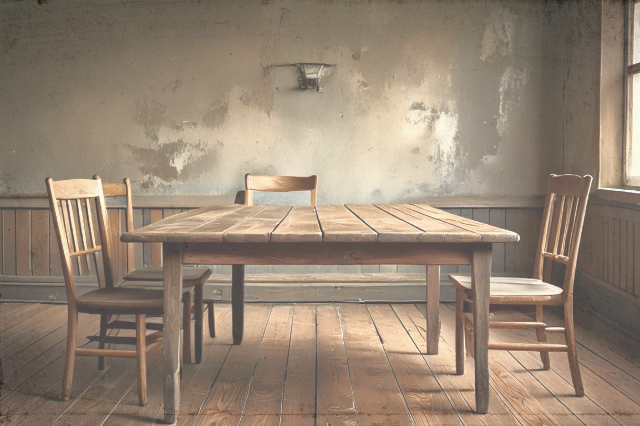
As a reference and starting point for this journey, we will use Eugène Ionesco’s play The Chairs—one of the most significant works of the Theatre of the Absurd.
In The Chairs, an elderly couple struggles with the feeling that life is slipping away and that they have failed to give it the meaning they had hoped for. They await invisible guests to deliver an important message, but in the end, communication fails, leaving them lost in loneliness and despair.
This play acts as a mirror to modern humanity, reflecting anxiety, insecurity, and existential struggle. Ionesco’s characters, through exaggeration and absurdity, express the profound human need for communication, acceptance, and meaning in life.
Through theatrical play, role-playing, improvisation, and other Dramatherapy techniques, we will explore parts of ourselves in the characters of the play. We will recognize how our fears, pressures, and worries influence our lives and seek ways to transform our relationship with stress.
Workshops
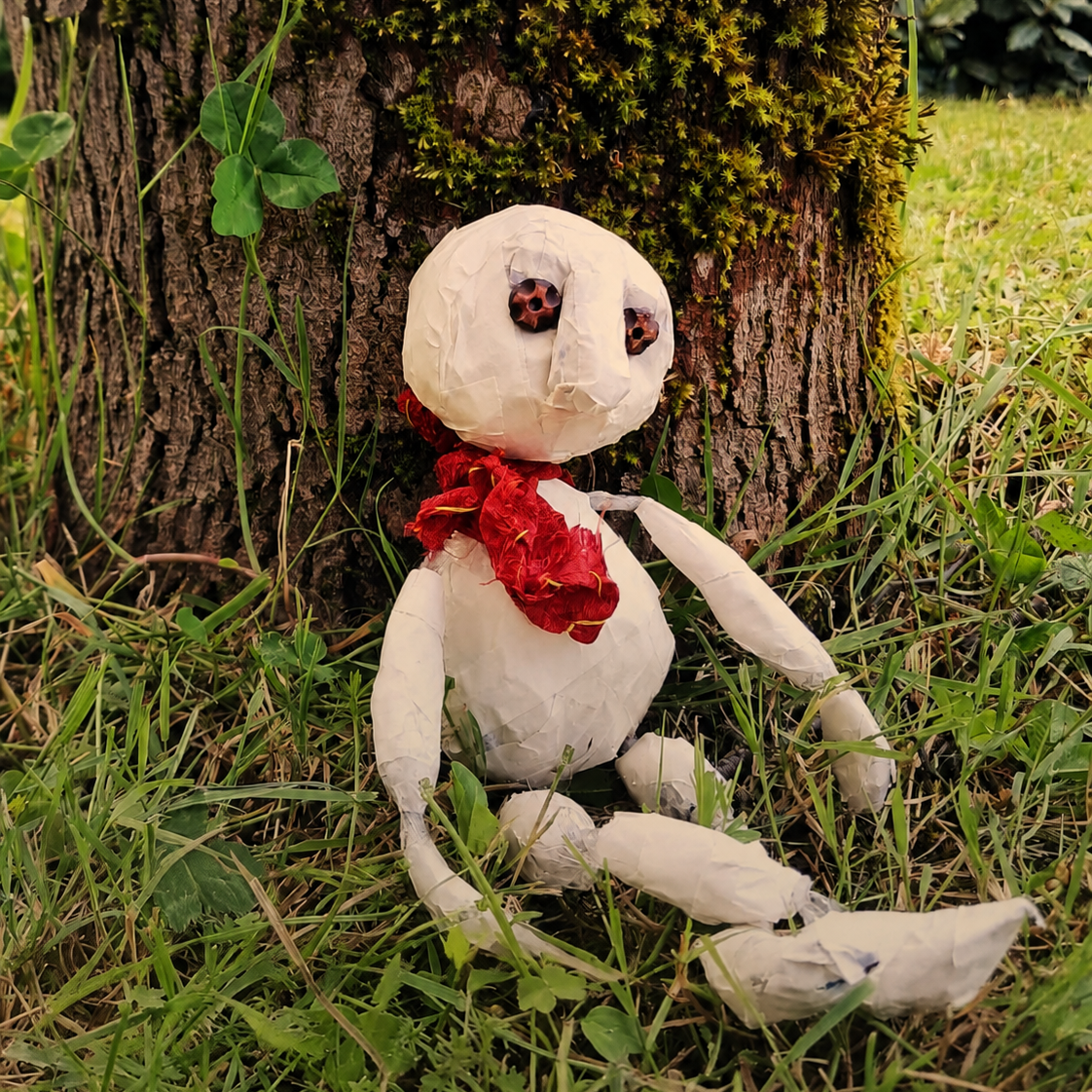
Puppet Making & Dramatherapy Workshop
JUNE, 2026
Valle Gaudia, Monteluro, Italy
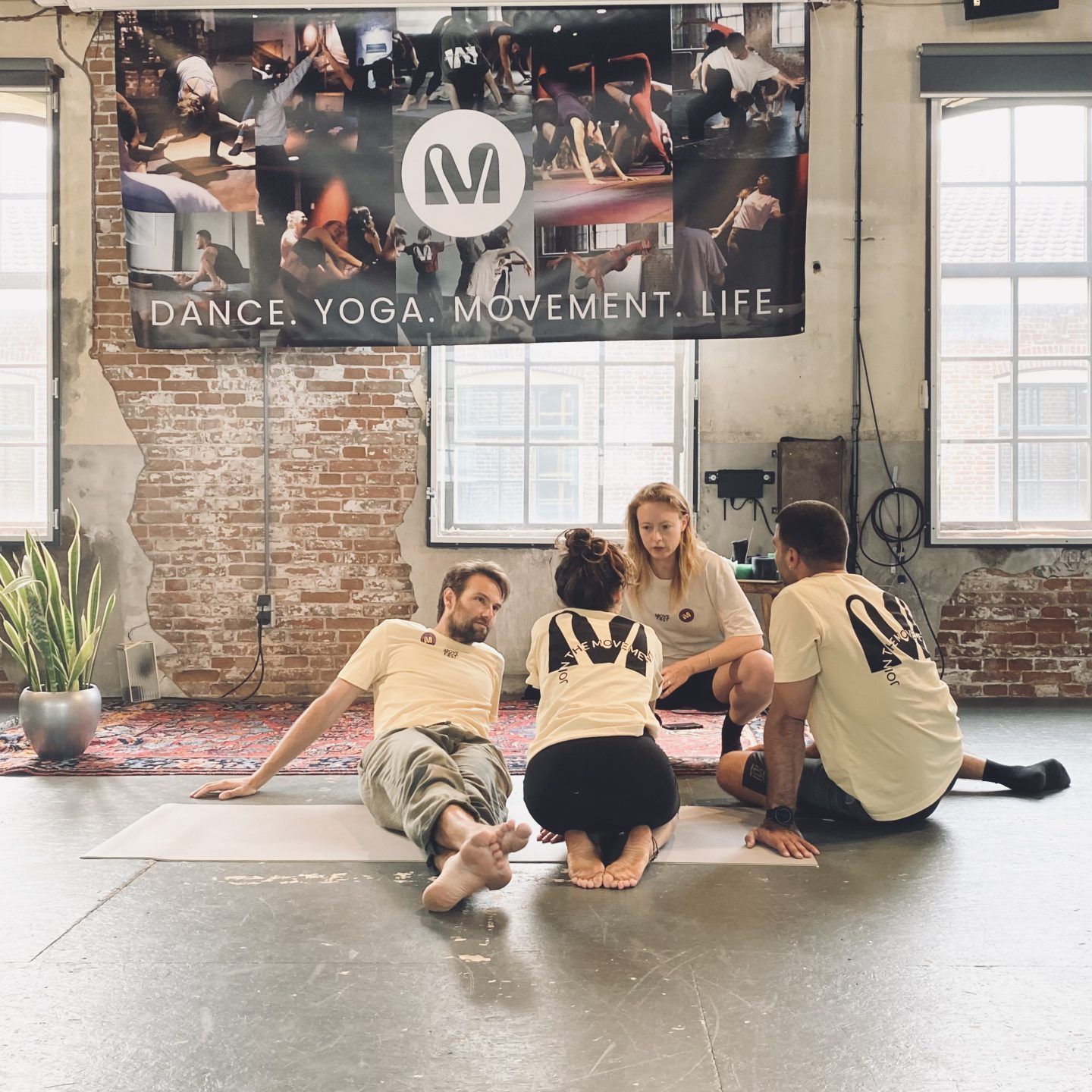
Movefest: non verbal communication workshops
JULY, 2026
MoveFest, Leiden, the Netherlands
The Flying Turtle Project: my rythm
MARCH, 2026
Catgang Acrobatics and More, Nea Philadephia Attica