

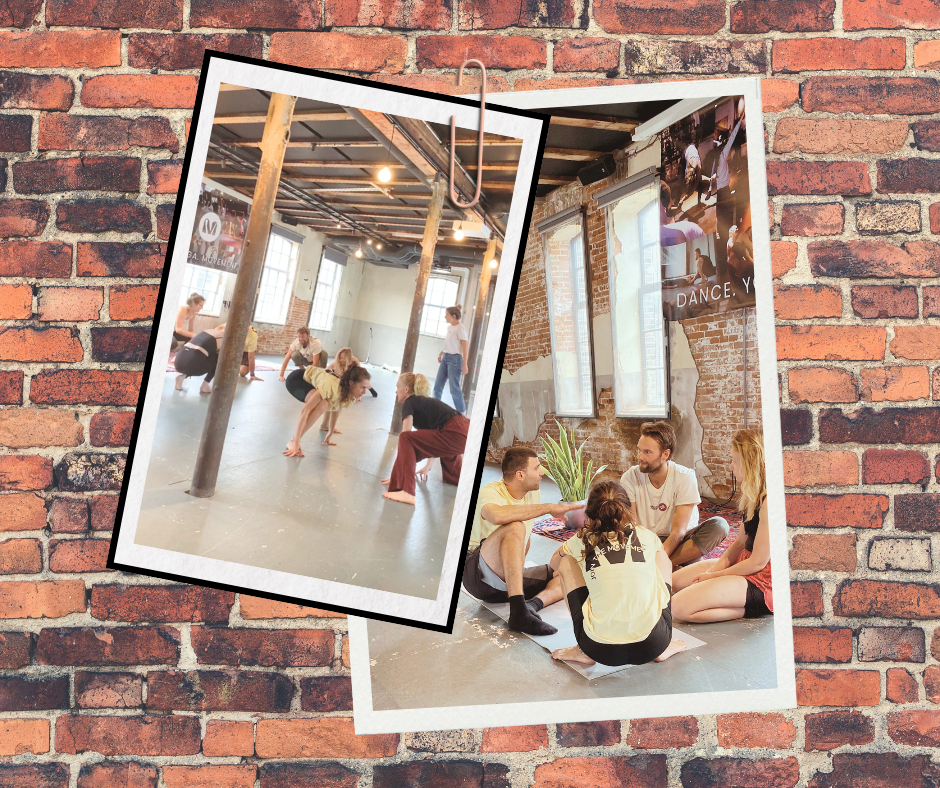
If we go back—way back in time—we’ll find humans living without words, without sentences, without speech as we know it today. Humans weren’t always able to say “I’m happy” or “I’m hungry”; instead, they showed it through sounds, movements, and facial expressions. Communication looked more like a game of imitation and noises, yet it was enough to help them survive and cooperate with the other people around them.
Roughly speaking, at some point sounds began to acquire meaning, and with that, the need for language was born. Humans started to symbolize, to narrate, to record, to dream, and to plan for the future. Life was no longer just about survival, but about living better.
With language came friendships, villages, tribes, cities. People created rules in order to understand one another, stories to explain the world, and writing so they wouldn’t forget what they had learned—and also so they could decode new things.
Fast forward to today, and we live in a world full of words, messages, videos, emojis, and endless conversations. We moved from caves to books and from fires to screens! And although the ways we communicate have changed many times, are still changing, and will continue to change, the need to connect, to understand, and to be understood remains the same.
Amid this modern storm of words, messages, and meanings, we might sometimes feel a bit… overwhelmed. As we talk, explain, analyze, respond—maybe, just maybe—we occasionally forget that we’re not only mouths and minds. We’re bodies too. Bodies that keep expressing themselves despite the arrival of “linguistic” languages. Not necessarily through screams or drama, but through a facial expression, a sensation in the stomach, a deep breath, and many other subtle signs.
The body has never waited for permission to speak—it simply takes the floor. It sends messages without words, punctuation, or arguments. And we, often so preoccupied with “what happened to me?” or “what should I reply to this?”, miss the experience itself. Perhaps because we’ve learned to trust more what can be said than what simply happens.
Back to our point.
Looking at this long journey—from inarticulate sounds to the digital age—we realize that human evolution is, above all, the story of communication.
The arrival of language did not replace non-verbal communication. It complemented it. Maybe it partially overshadowed it—fine. But the body kept communicating, transmitting information. When we say we’re happy, for example, we also express it physically: we smile, our posture changes, even our ears move.
The body, then, never stopped “speaking”—below, above, in front of, and behind words. It continues to precede and follow thought, to react before a sentence is formed or while something is being said, to answer before a question even exists. And in moments of intense emotion—fear, grief, deep connection—when language often collapses, the familiar, wordless language of the body appears. As long as we’re able to notice it.
We’ve probably noticed how we might feel after an evening where we “simply” danced, ran, played roles, and so on. And within therapeutic contexts as well, the body re-emerges as a primary medium of relationship. It reminds us that communication doesn’t necessarily aim at interpretation, but at coexistence. It doesn’t seek only “to say,” but also “to be (with).”
So when we express ourselves without words, we’re not merely returning to an early stage of human evolution—that would be an oversimplification. Non-verbal communication is an active expressive capacity of the human species. And one that may become more available when the control of language loosens a little.
Let’s not be misunderstood—we love words, causes, and meanings. We’re fans! But in a world oversaturated with speech, explanations, and interpretations, an occasional turn toward non-verbal communication can serve as a small reminder that the body remains an active maker of meaning, always present, even when it doesn’t speak.
The experiential workshop “No More Talking Movement: Tribal Edition” will take place on February 7, 2026. The word movement in the original title works on two levels: as motion and as a movement. As an invitation to give less space to constant verbal processing and more space to direct, embodied experience. Not dogmatically, not instructively—but… simply because.
In this workshop, we pause the “talking” and turn toward “observing.”
And what if, for a while, we tried a small experiment?
What if, for a few hours, we limited our spoken language?
What if, instead of words, we let movement take the lead?
We won’t answer.
We’ll experience.
Workshops
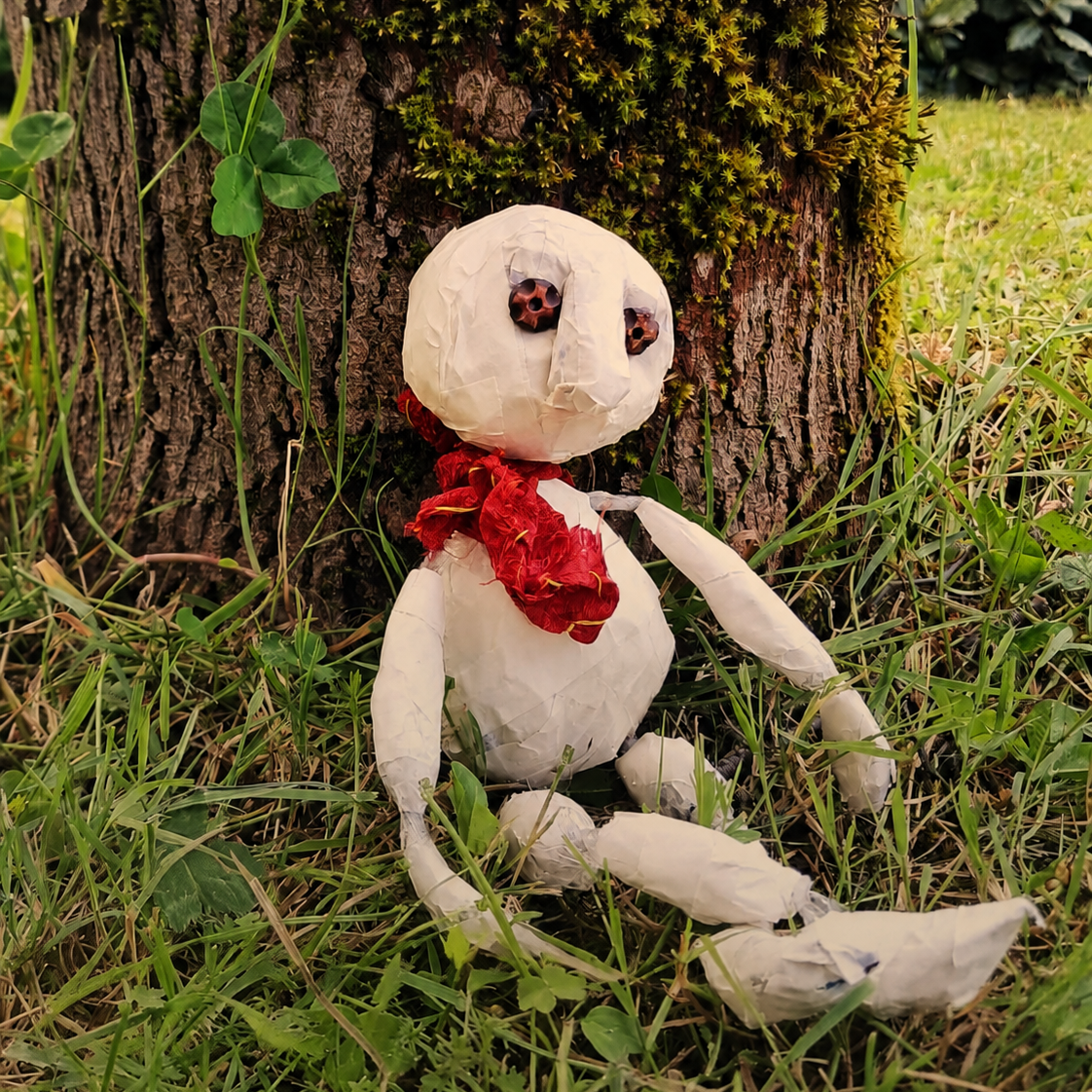
Puppet Making & Dramatherapy Workshop
JUNE, 2026
Valle Gaudia, Monteluro, Italy
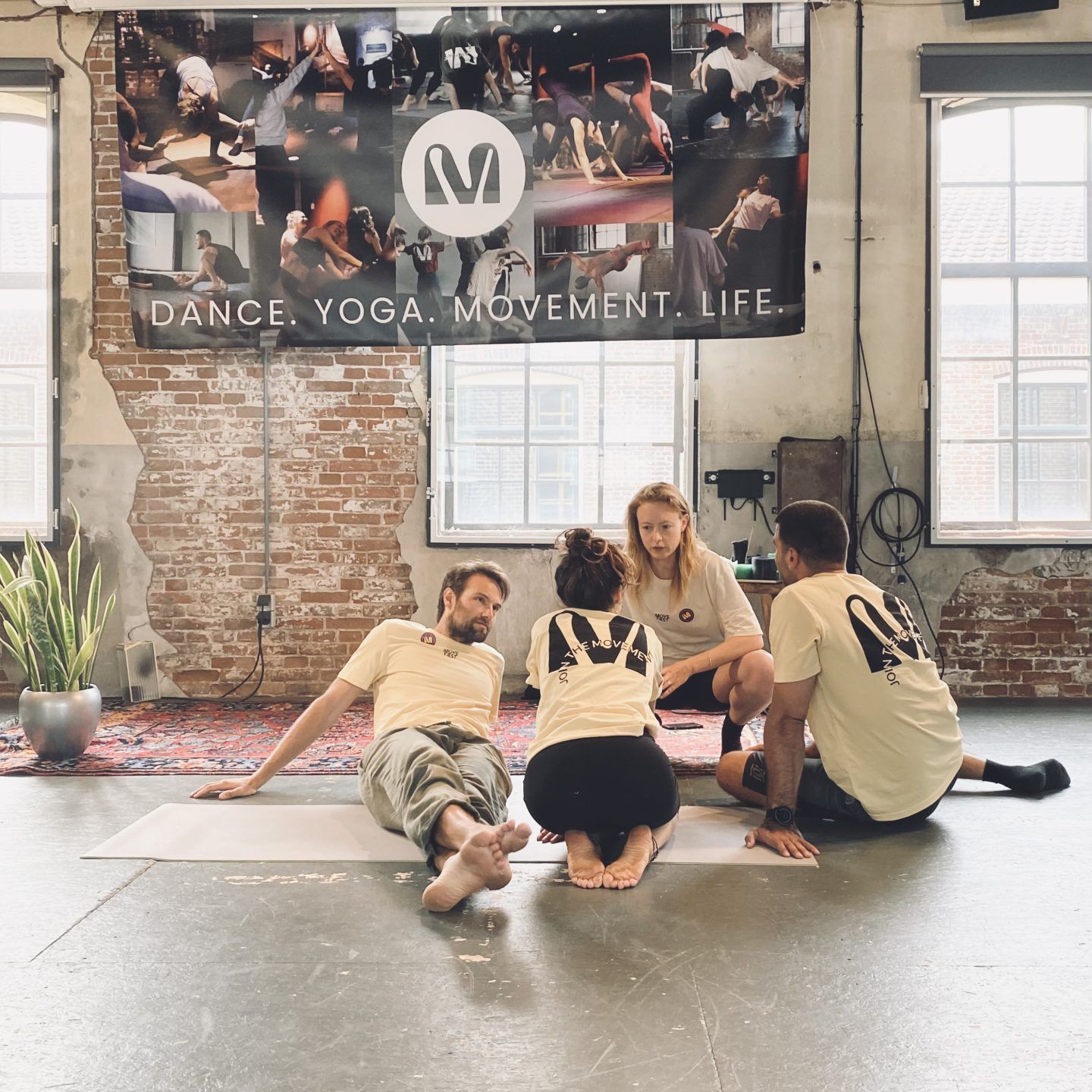
Movefest: non verbal communication workshops
JULY, 2026
MoveFest, Leiden, the Netherlands
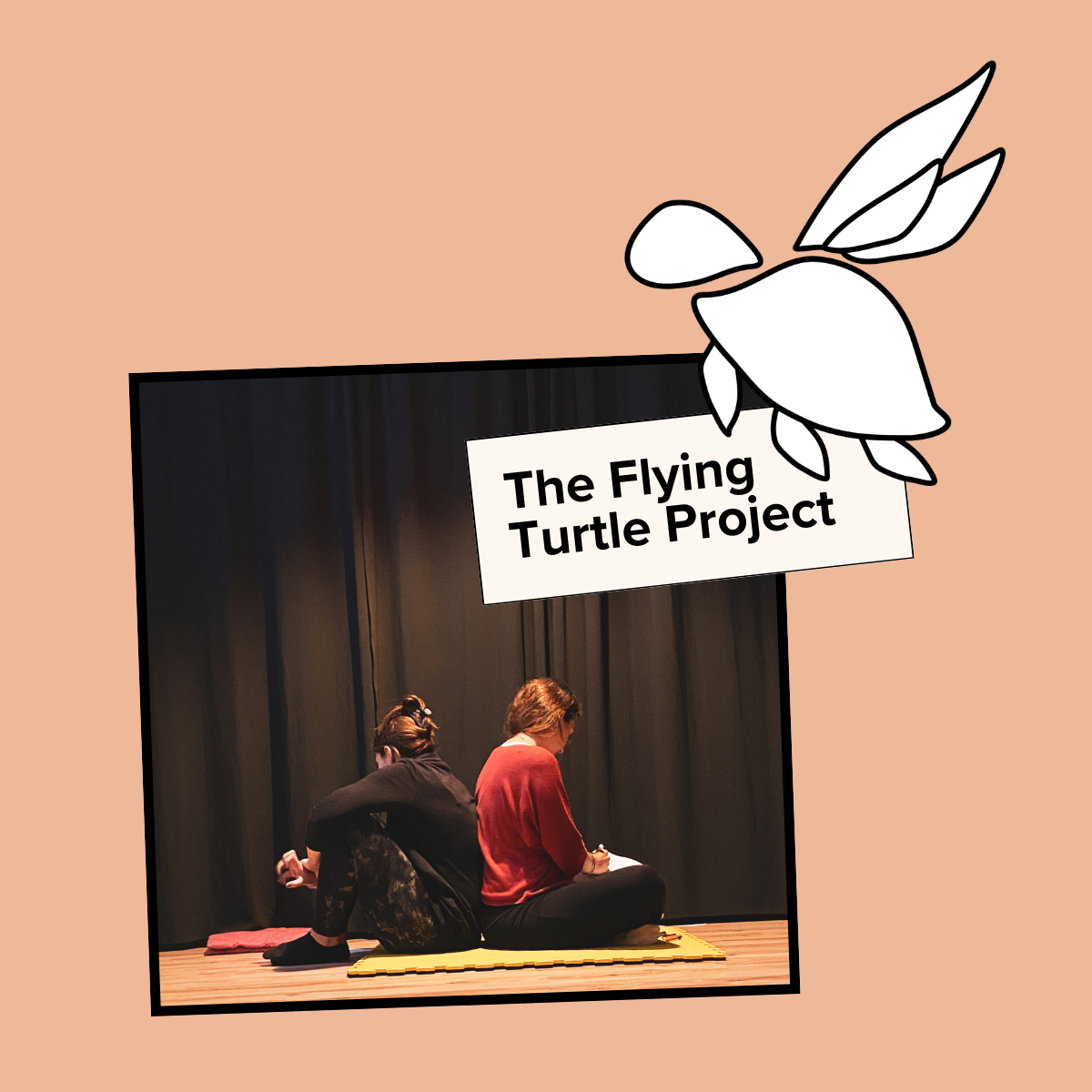
The Flying Turtle Project: my rythm
MARCH, 2026
Catgang Acrobatics and More, Nea Philadephia Attica