

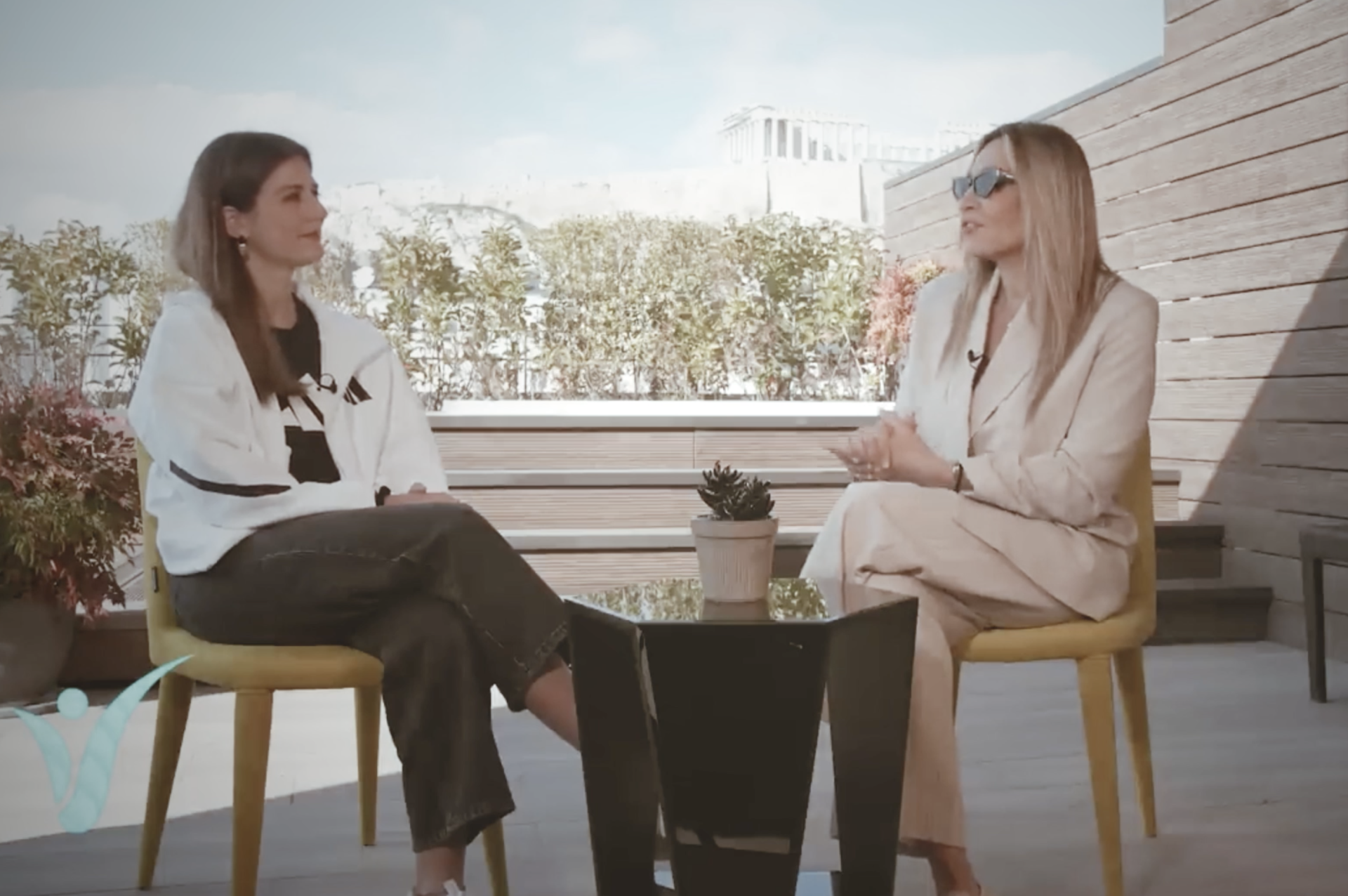
I was in Thailand, just a few days after coordinating the seminars in Chiang Mai. I received an email from Greece around midnight, which, considering the time zone difference, was actually sent at a perfectly normal time. I saw the invitation for an interview about Dramatherapy on the TV show Vitality with Eleni Petroulaki. I went through a whole mix of thoughts and emotions.
Some time later, around February, I found myself playing the role of the “interviewee” on television, talking vividly about Dramatherapy and the way I perceive it as a Psychotherapy Method. The interviewee’s role was unfamiliar and somewhat strange to me, which made me reflect on how often Dramatherapy calls us to try on new “masks.” I even recalled certain clients whom I once invited into specific roles, only to see them raise an eyebrow at me and object: “Vasiliki, how am I supposed to play this role?” So, I too stepped into this “unfamiliar” mask, said what I had to say, and ever since I’ve spent some moments trying to assess the experience, searching for its connotation.
The television experience reminded me just how peculiar the feeling of exposure really is.
Let me explain, in comparison with theatre.
Theatre remains a living space, where the moment fully belongs to those present.
Each movement/word is born and dies in the very same instant, and that makes it free and authentic.
But what happens when movements and words become documented, as on television? How does the sensation of speaking change when you know that what you say will stay recorded and “available” for consumption?
On screen, whatever is spoken gets captured, isolated, and remains there as a self-contained entity, detached from its context, the people, and the moment of the conversation. In a live TV appearance, you might wish you had said a thousand different things than the ones you heard yourself saying — and that creates a kind of “unease” that, at least for me, does not exist in theatre.
Greek television, moreover, has its own “peculiar” character. It is often more glamorous than necessary and, at the same time, more superficial than you would wish. And how can one not question the reliability of information on Greek TV, when politics poison it or when spectacle, surface, and the need for impression so often overshadow substance?
It has been underestimated, then, fairly or unfairly — depending on how you see it.
Guy Debord, in his theory of “the spectacle,” argues that modern society moves between image and surface, and television often reproduces this phenomenon. He seems to imply that society is harmed without realizing it. In other words, it feeds on spectacle that surpasses substance.
Jean Baudrillard speaks of “hyperreality,” where documentation and recording carry more weight than lived experience itself.
How alive is something once it becomes a product? How much freedom does it allow each person to play their role? And do we perhaps judge our favorite singer, director, or theorist differently if we see them on a show? Does our perception of their work change?
On the other hand, there is marketing and the battle of self-promotion, which in some way connects directly to what Debord and Baudrillard point out. If “spectacle” and “hyperreality” create a world where image comes before essence, then self-promotion seems to walk constantly on a tightrope: between serving the image and letting the image serve the content. The challenge, it seems, is to find a way to share your work without being fully absorbed by the machinery of spectacle. I wonder, then, whether self-promotion is a “mask” which, like in Dramatherapy, one can try on creatively as long as one stays connected to their center — or if the risk is always that a mask might stick to you like a leech.
So, what does it really mean to appear “on screen,” and how does this affect you or those who watch?
I still don’t quite know how I feel about this experience, politically and socially speaking.
Perhaps I am exaggerating without reason, after all.
Still, I did notice that, as a role, the role of the TV interviewee had its own charm.
And the people I met there, who worked to produce this particular piece of spectacle, struck me as genuinely good people too.
Check out my conversation with Eleni Petroulaki on Vitality, here. Or don’t. You get the point.
Workshops
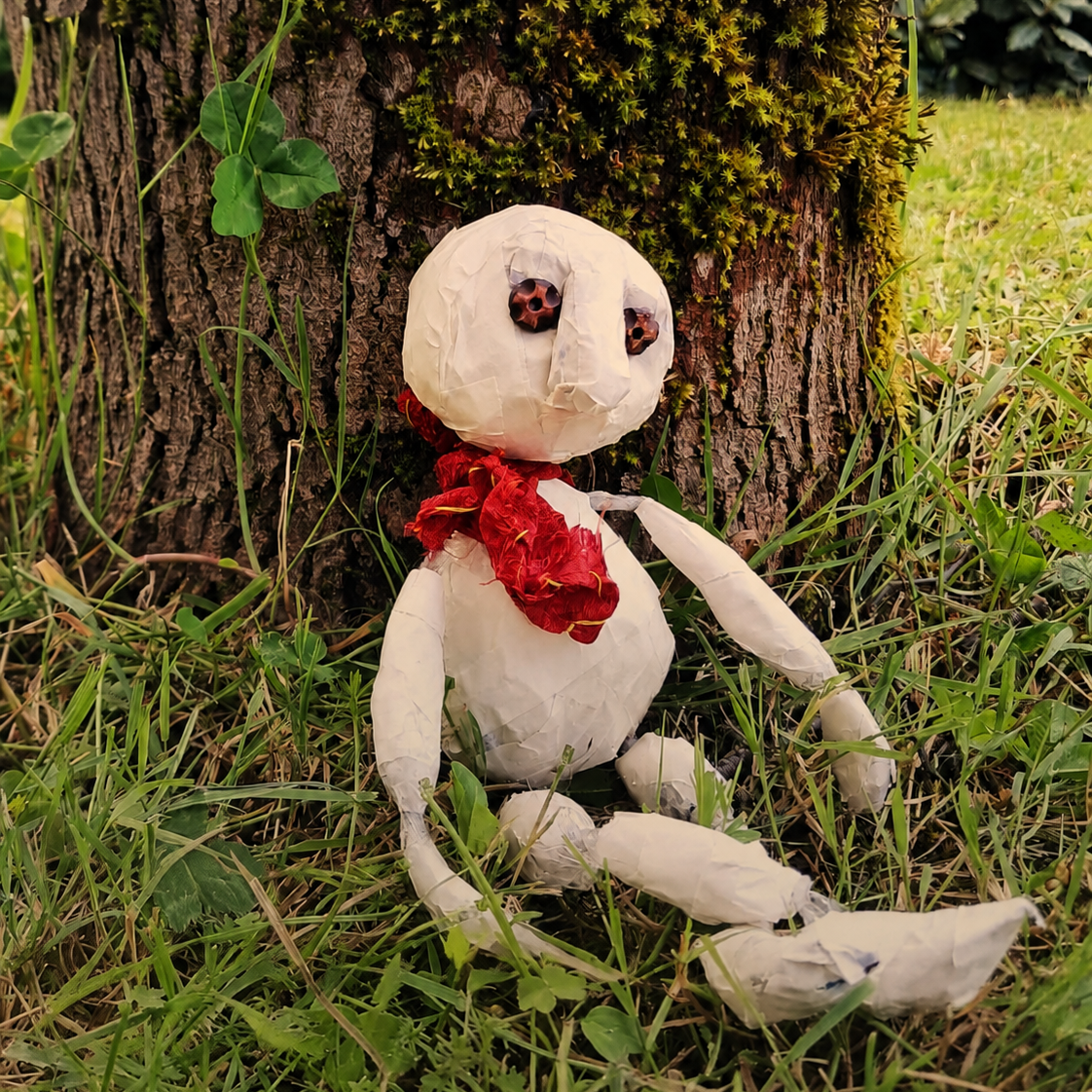
Puppet Making & Dramatherapy Workshop
JUNE, 2026
Valle Gaudia, Monteluro, Italy
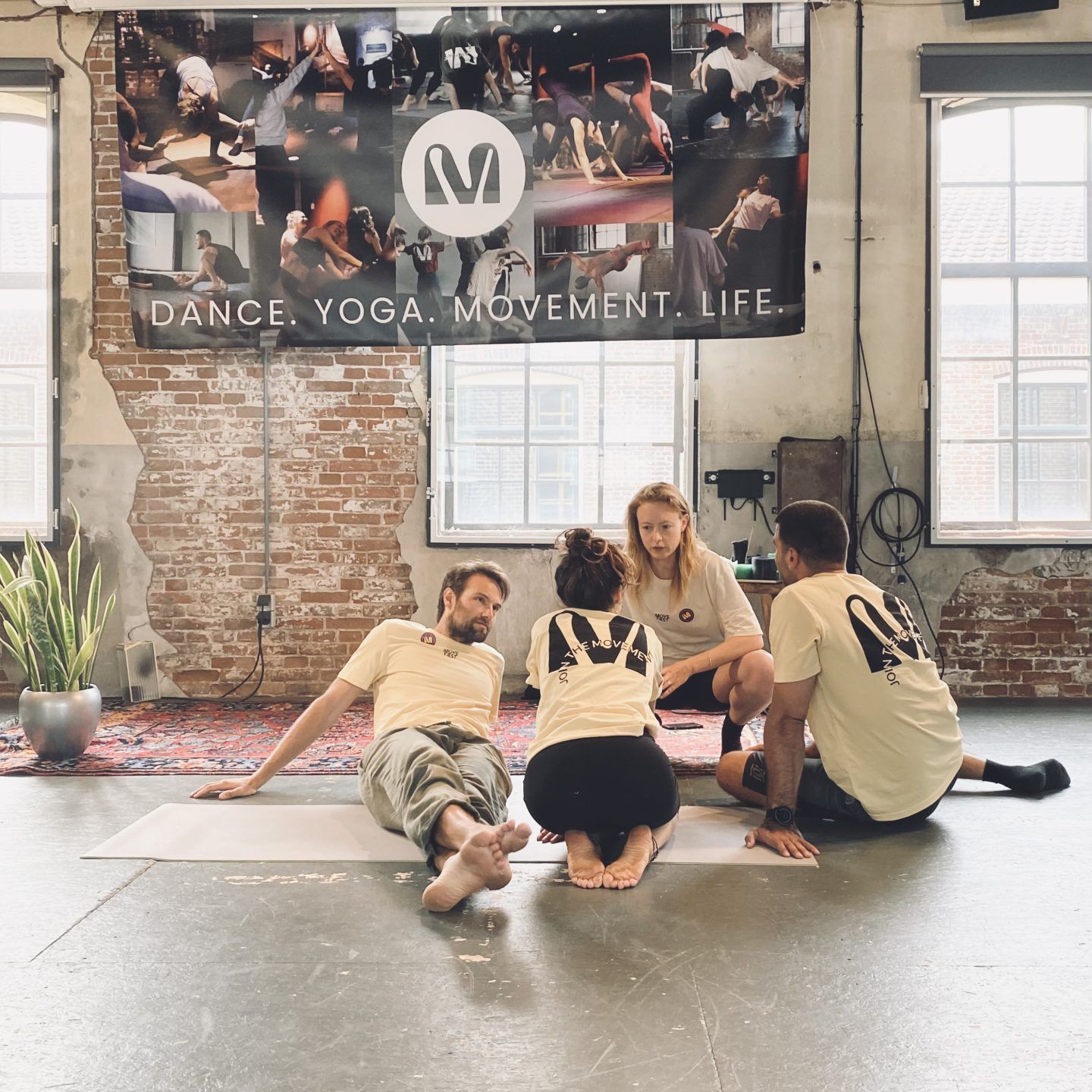
Movefest: non verbal communication workshops
JULY, 2026
MoveFest, Leiden, the Netherlands
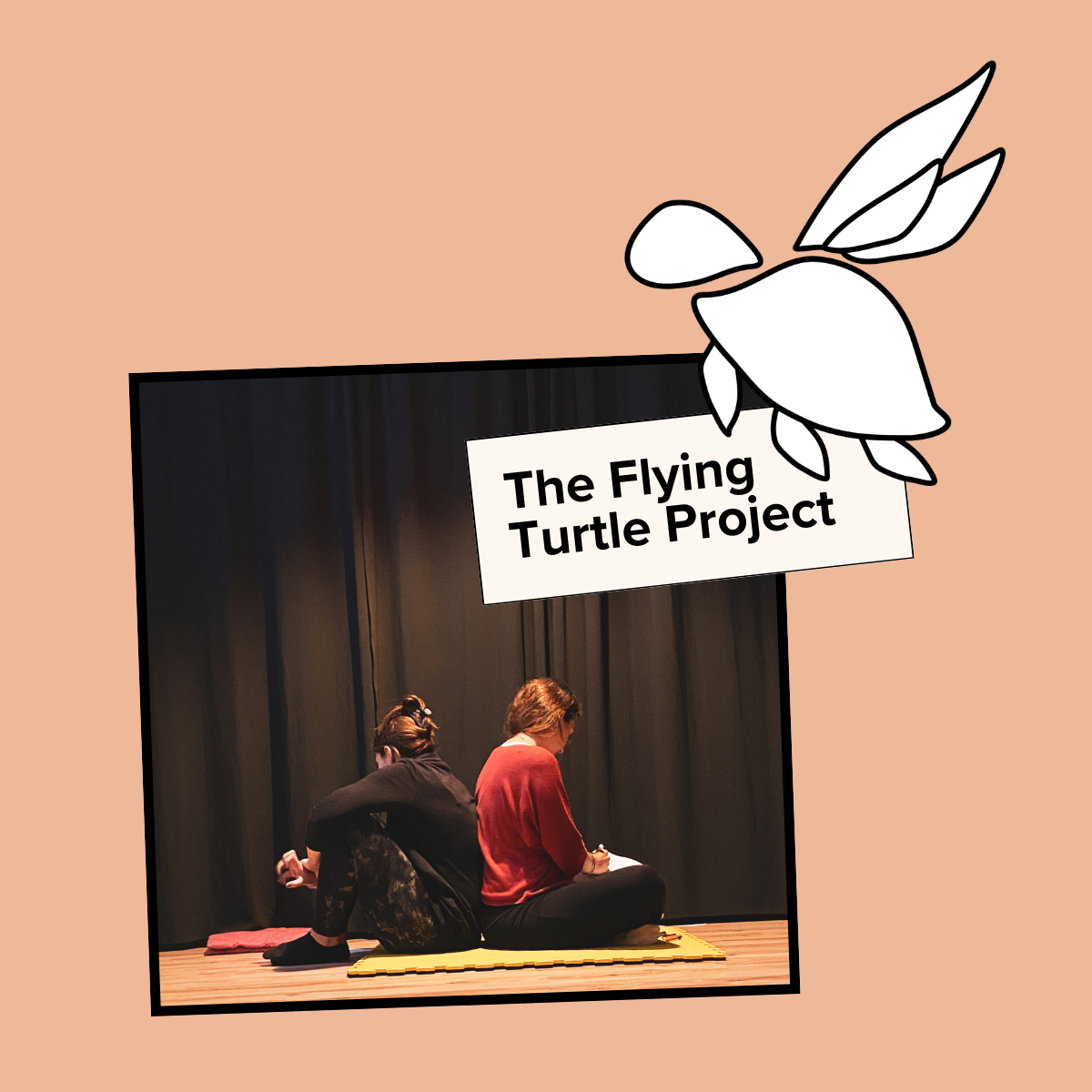
The Flying Turtle Project: my rythm
MARCH, 2026
Catgang Acrobatics and More, Nea Philadephia Attica