

What is Dramatherapy?

Dramatherapy can be seen as an intermediate space between imagination and reality. Participants in a Dramatherapy session are invited to explore their life experiences through Dramatherapeutic expression, such as character development, role embodiment, mask and role creation, improvisation with puppets and figures, and engagement with clay, among other activities.
In books, you'll find many definitions of Dramatherapy. It is a psychotherapeutic method that belongs to the Arts Therapies, drawing on psychological and sociological theories as well as theater tools, with the aim of developing the healthy aspects of the individual involved. Through the aesthetic distance it creates, it helps individuals express themselves safely and explore their emotions and thoughts.
In 1960, in England, Peter Slade was the first to use the term and investigate its application in educational settings. The method began to spread to America, and its application soon expanded to include adults.
Today, training in Dramatherapy involves studying psychology and psychiatry theories, the history of theater, specific theatrical works, and theoretical models and clinical applications from Dramatherapists such as Sue Jennings, Robert Landy, Phil Jones, David Johnson, and others.
Dramatherapy involves the application of various creative activities such as role-playing, storytelling, improvisation, and more. The facilitator supports participation by selecting appropriate activities based on the theme you or your group are exploring.
A theater group or theater workshop typically focuses on the art of acting and the aesthetic outcome. In contrast, Dramatherapy emphasizes expression through the use of theatrical techniques, but does not involve technical corrections during a session. As a method, Dramatherapy concentrates on developing skills for managing everyday problems and maintaining mental health, whereas a theater group or workshop may primarily aim at acquiring technical skills.
Dramatherapy is primarily applied to adults and adolescents. It can be especially beneficial for individuals dealing with issues such as work-related stress, depression, relationship difficulties, low self-esteem, and more. It is also useful in situations where there is a need for emotional release, interaction with others, familiarity with physical expression, and other similar needs. As a method, it can be used in therapeutic, educational, and workplace settings to improve self-understanding, facilitate smoother interactions, and enhance relationships between groups and collaborators.
The facilitation of a Dramatherapy session provides a stable and supportive environment for safe experimentation. In a Dramatherapy session, you may engage in various activities such as role-playing, improvisation, storytelling, scriptwriting, directing, and more. You might use objects, costumes, and other theatrical aids to help explore your emotions and experiences. Discussions and reflections on what was revealed during the activities are a crucial part of the process.
No, no prior experience in theater or acting is required. Dramatherapy focuses on expression rather than technique. Whether you have been involved in theatrical activities before or not, you can benefit from Dramatherapy.
More or less, everyone may have faced issues with self-expression depending on the situation and the people present. In a Dramatherapy session, we start by creating a “contract.” This means that before engaging in activities, we ensure a safe space is established by expressing what we need to feel comfortable throughout the session. A crucial term of the contract is that each person can participate as much as they wish and in whatever way they prefer. For example, a role can be a narrator, a director, a writer, a lighting technician, a weather phenomenon, an animal, an object, and so on. A role can also speak, remain silent, be expressed through a tableau or a statue, look at the audience while turning its back, be asleep, and so forth.
Yes, it is. Online Dramatherapy sessions are conducted via the online platform of your choice. The style of the sessions adheres to all the principles of Dramatherapy, which, as a method of Psychotherapy, draws from art and primarily utilizes symbolism to help you express yourself more easily and safely. Learn more here.

Why should I attend a Dramatherapy session?

Robert Landy, a notable Dramatherapist, suggests that the more roles we play in our lives, the better we understand ourselves and the more prepared we are to handle crises.
For example, if you try playing the role of an employee, you have the opportunity to explore your relationship with your work, your colleagues, your employer, and so on. If, during the same activity, additional participants take on roles such as employer, employee, friend, internal critic, parental voice, societal voice, etc., you can see how connections multiply!
Dramatherapy invites you to explore your relationship with yourself at this moment, how you relate to those around you, your position in various social situations, and more. You can participate in a one-off workshop, join a group that meets on a regular basis, or begin one-on-one sessions either in person or online.
Dramatic expression may help you both in exploring and understanding different aspects of your personality and in expressing and releasing emotions. If the shoes of a role could talk, they might say something like:
“Wear me and see if I fit, if I’m your size, if you like me when you wear me!”

In a Dramatherapy session, you may:
paint an experience/feeling/thought
play many and different roles
adapt/create songs
improvise verbally/physically
create/direct a story
and so on!
Workshops
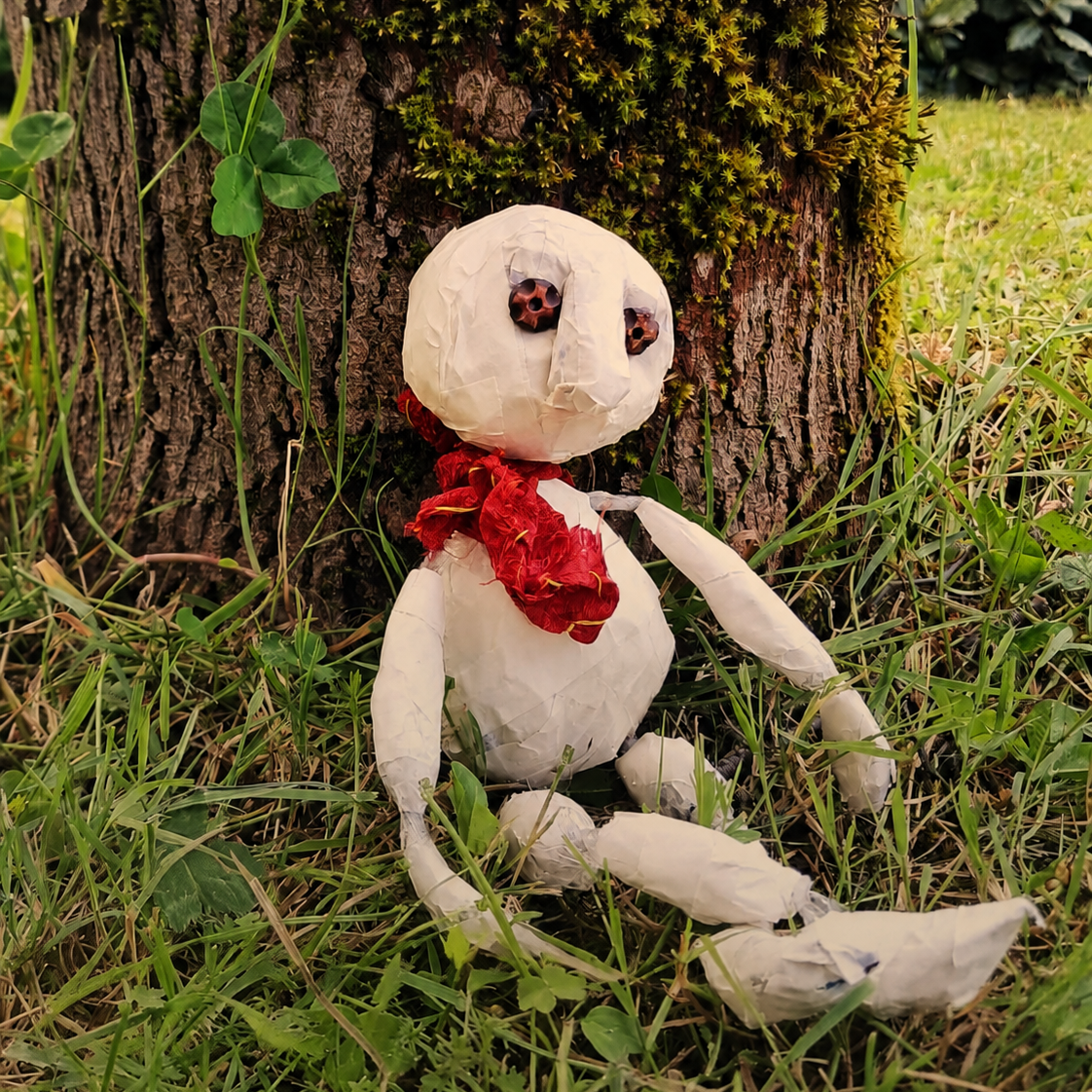
Puppet Making & Dramatherapy Workshop
JUNE, 2026
Valle Gaudia, Monteluro, Italy
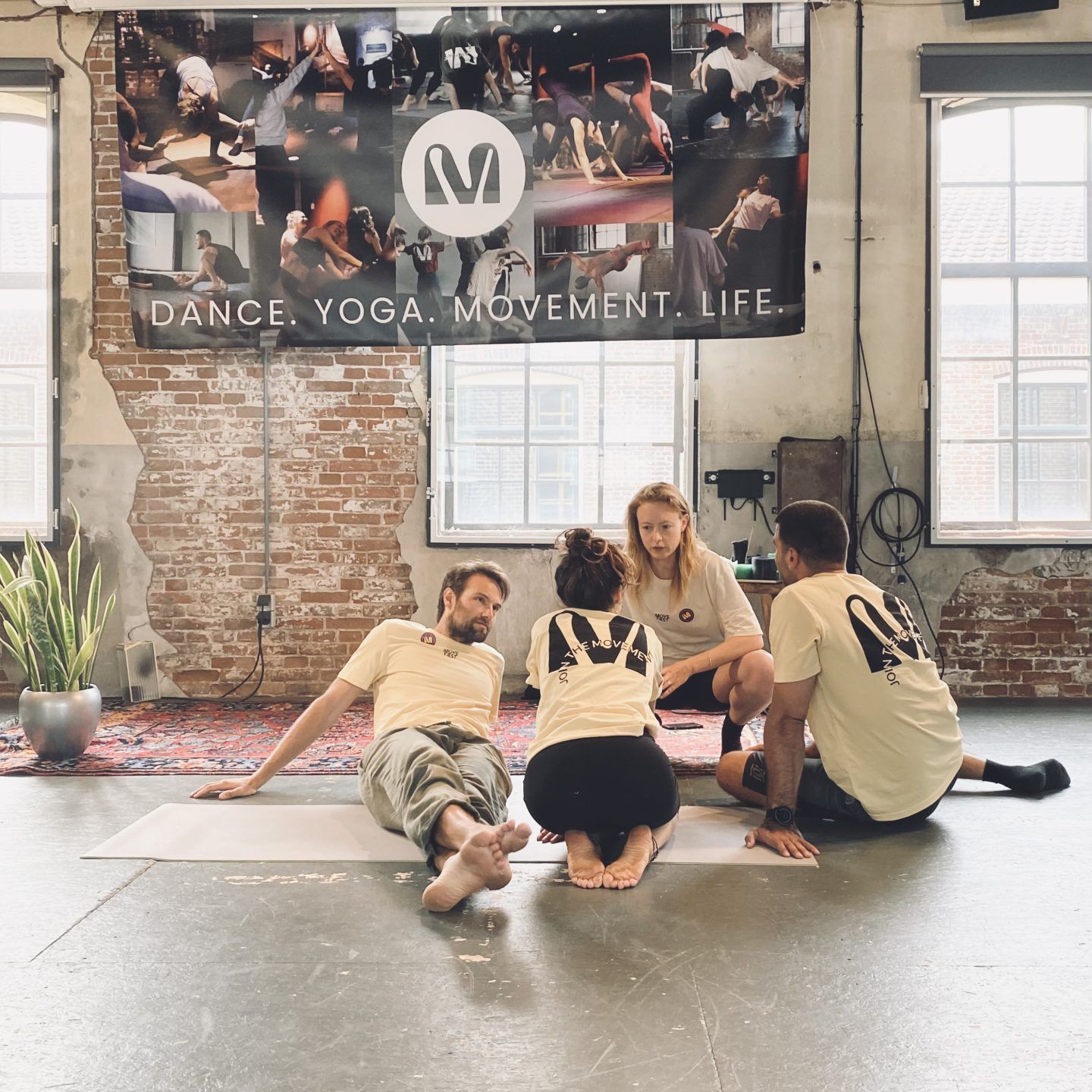
Movefest: non verbal communication workshops
JULY, 2026
MoveFest, Leiden, the Netherlands
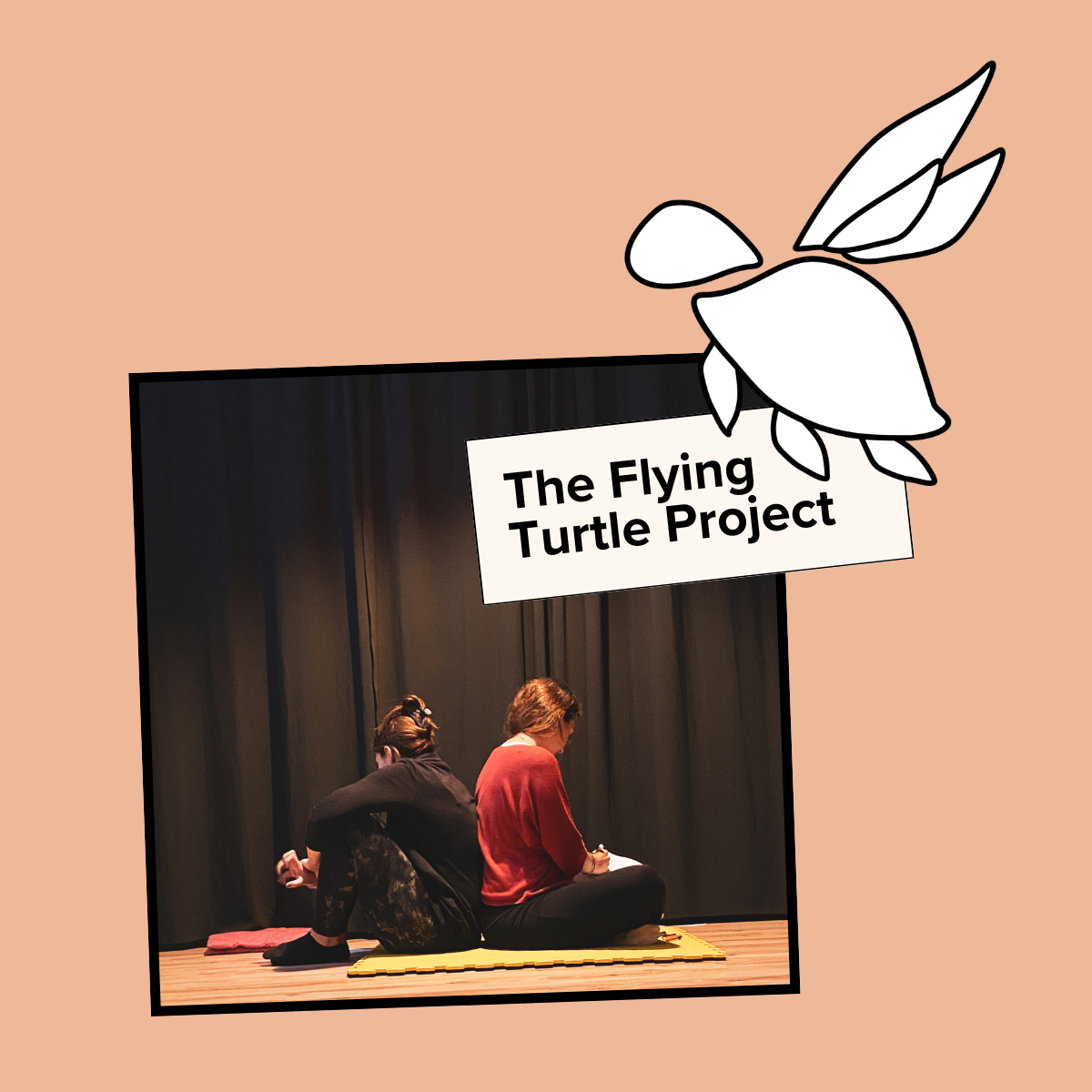
The Flying Turtle Project: my rythm
MARCH, 2026
Catgang Acrobatics and More, Nea Philadephia Attica
Oh my God!
MARCH, 2026
ImproVIBE, Psiri, Athens
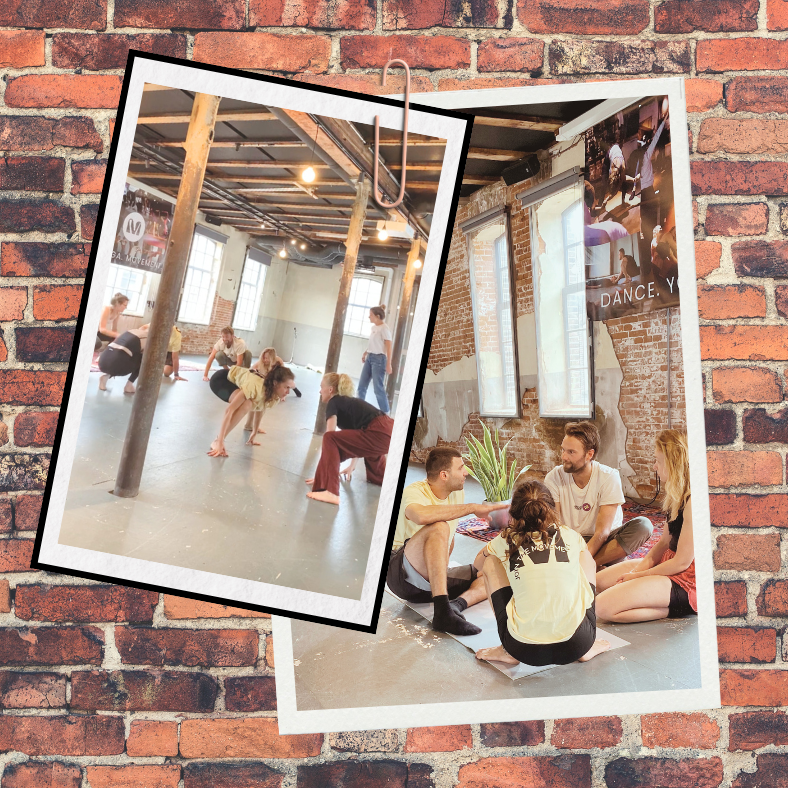
The no more talking movement: tribal edition
FEBRUARY, 2026
Technourgeio, Athens

Is it a Black Mirror Episode? CineDramatic goes to Panhellenic Dramatherapy Conference
NOVEMBER, 2025
Athens, Greece

The Flying Turtle Project: our home within
NOVEMBER, 2025
KANO creative space, Ano Petralona, Athens
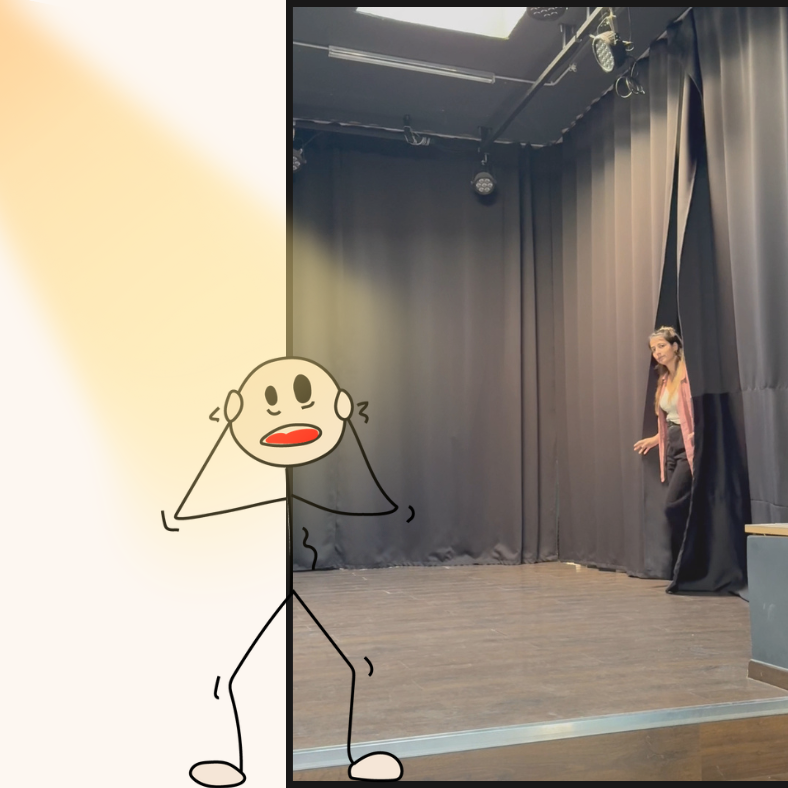
90’s and stage fright: new Dramatherapy group
OCTOBER-DECEMBER, 2025
ImproVIBE, Psiri, Athens

Body Echoes: tribe up!
JULY, 2025
MoveFest, Leiden, the Netherlands
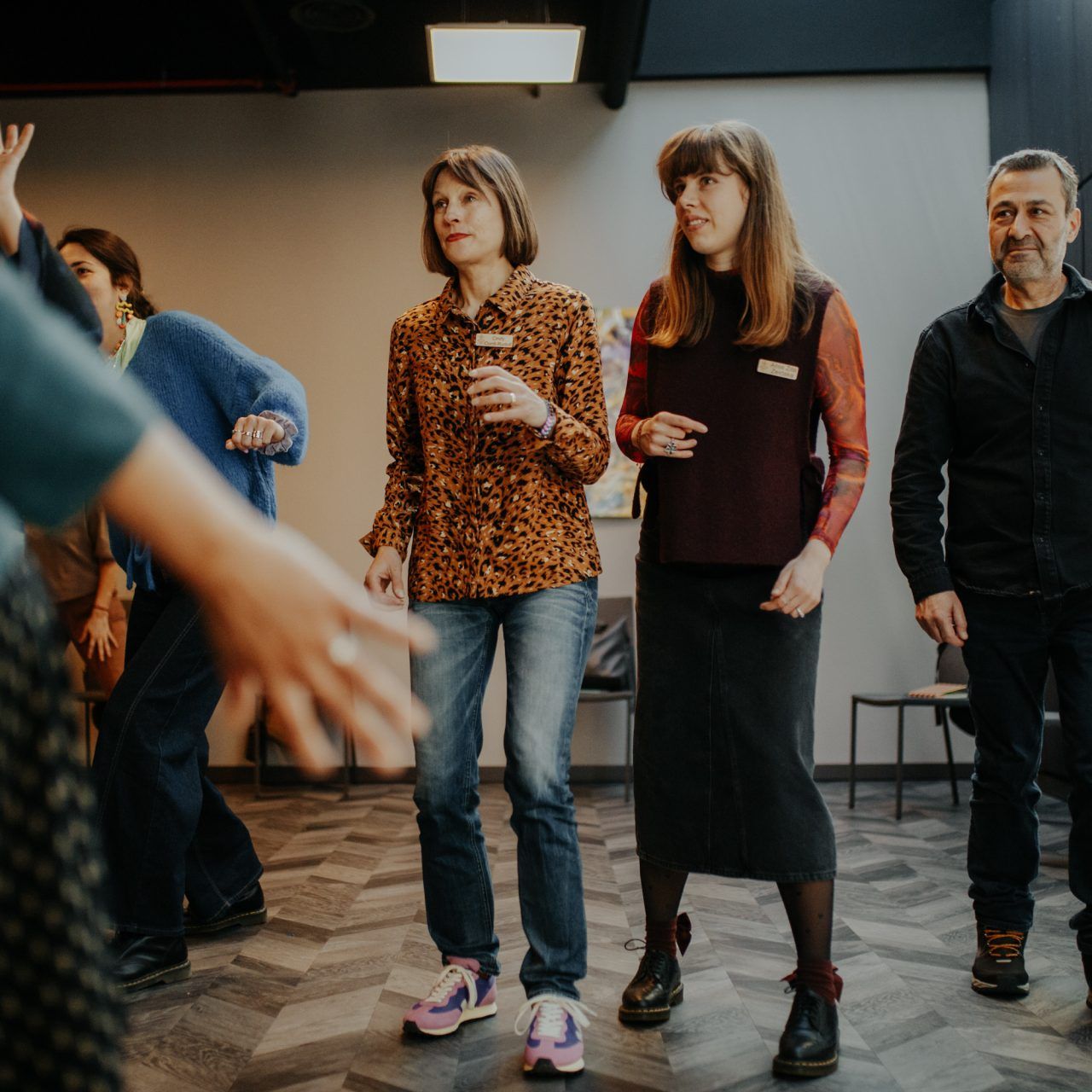
Play As You Are
JULY, 2025
MoveFest, Leiden, the Netherlands