

Dramatherapy: So we are going to laugh and have fun?
The method of Dramatherapy is often confused with Theatre Play, leading to the assumption that participants will play, laugh, have fun, etc. The answer to the above question is that this cannot be precisely predicted, as the experience of each session largely depends on the group dynamic, the participants’ emotional states, and the nature of the topics explored. Let’s go a bit deeper into what Dramatherapy entails, its objectives, and the atmosphere of these sessions so you can have a clearer idea of what to expect—and what not to expect—from our meetings.
The Atmosphere in Dramatherapy: Humor and Seriousness
Each Dramatherapy session is unique. Some sessions are lighter, involving humor and play, especially when participants take on roles that encourage them to relax and set aside daily concerns. For instance, when someone embodies a character very different from themselves, they may find themselves laughing and enjoying the process. Role-playing and experimenting often provide a refreshing break from the seriousness of adult life, evoking a sense of release and carefree fun. Even when humor arises, it can sometimes serve as a defense mechanism, helping us address heavier or more painful topics in a more approachable and less threatening way.
However, humor and fun are not guaranteed, nor are they the primary goals of a session. Dramatherapy focuses on the natural expression of emotions that emerge through actions, not on entertaining participants or teaching specific techniques.
Some sessions might be emotionally intense, leaving participants feeling moved or even sad. Others might feel more neutral, where individuals may experience a lack of connection or a sense that they “didn’t get anything out of it.”
“I Attended, but I Don’t Feel Like I Got Anything Practical Out of It”
It would be ideal if we could shift our emotions with the flip of a switch, but, as the famous saying goes, “things take time.”
One key point to clarify is that in a one-off Dramatherapy workshop, you won’t acquire a specific skill. Even in more intensive sessions, I won’t teach you any formal techniques. Whether you attend a workshop or commit to ongoing sessions, I won’t be teaching you the method of Dramatherapy, anyway.
What we will do is focus on your mental health.
Our goal will be to help you become more comfortable with taking on roles and observing what you feel while “walking in someone else’s shoes.”
Over time, you may come to understand yourself better, observe your patterns discover new ways to manage your challenges, and uncover aspects of yourself you might not have been aware of.
Laughter, Tears, or Deep Emotion: Every Feeling Has Its Place
Each session is different and may evoke a range of emotional reactions. One session might make you laugh, another might bring tears, discomfort, boredom, or even anger.
As your facilitator, I won’t guide you toward feeling or not feeling anything specific. I won’t try to entertain you or steer you toward particular reactions. Instead, I will accompany you on whatever journey you choose to take during the session and invite you to take a look deeper into the emotions that emerge within the framework of experimentation.
For example:
* If you feel joy, we’ll explore what caused it and how it connects to your daily life.
* If you feel bored, we’ll examine what led to that feeling and where else you encounter boredom in your life.
Dramatherapy as a Journey of Self-Discovery
Every emotion has a reason for popping up, and only through experiencing, processing, and observing your feelings can you begin to understand them better. This also helps you become more aware of how you respond to your emotions, as well as your needs and concerns.
I encourage you to see Dramatherapy as an opportunity to discover yourself through symbolism, at your own pace, with trust in the process of experimentation. Here, there’s no right or wrong. Whether you laugh, feel moved, experience awkwardness, or feel something else entirely, it’s all important, and there’s always a reason behind it. And this is exactly what we will try to explore together in our sessions.
Workshops
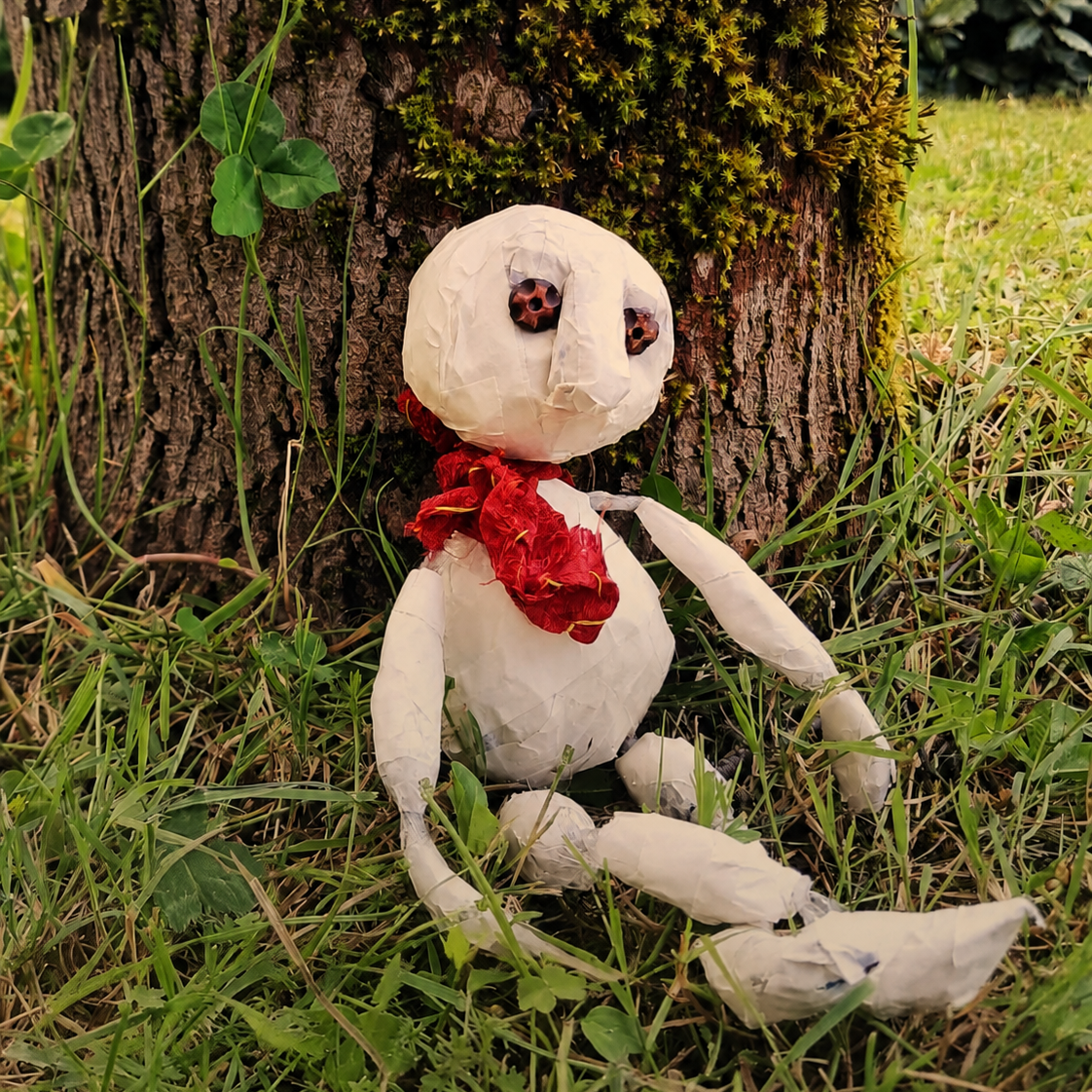
Puppet Making & Dramatherapy Workshop
JUNE, 2026
Valle Gaudia, Monteluro, Italy
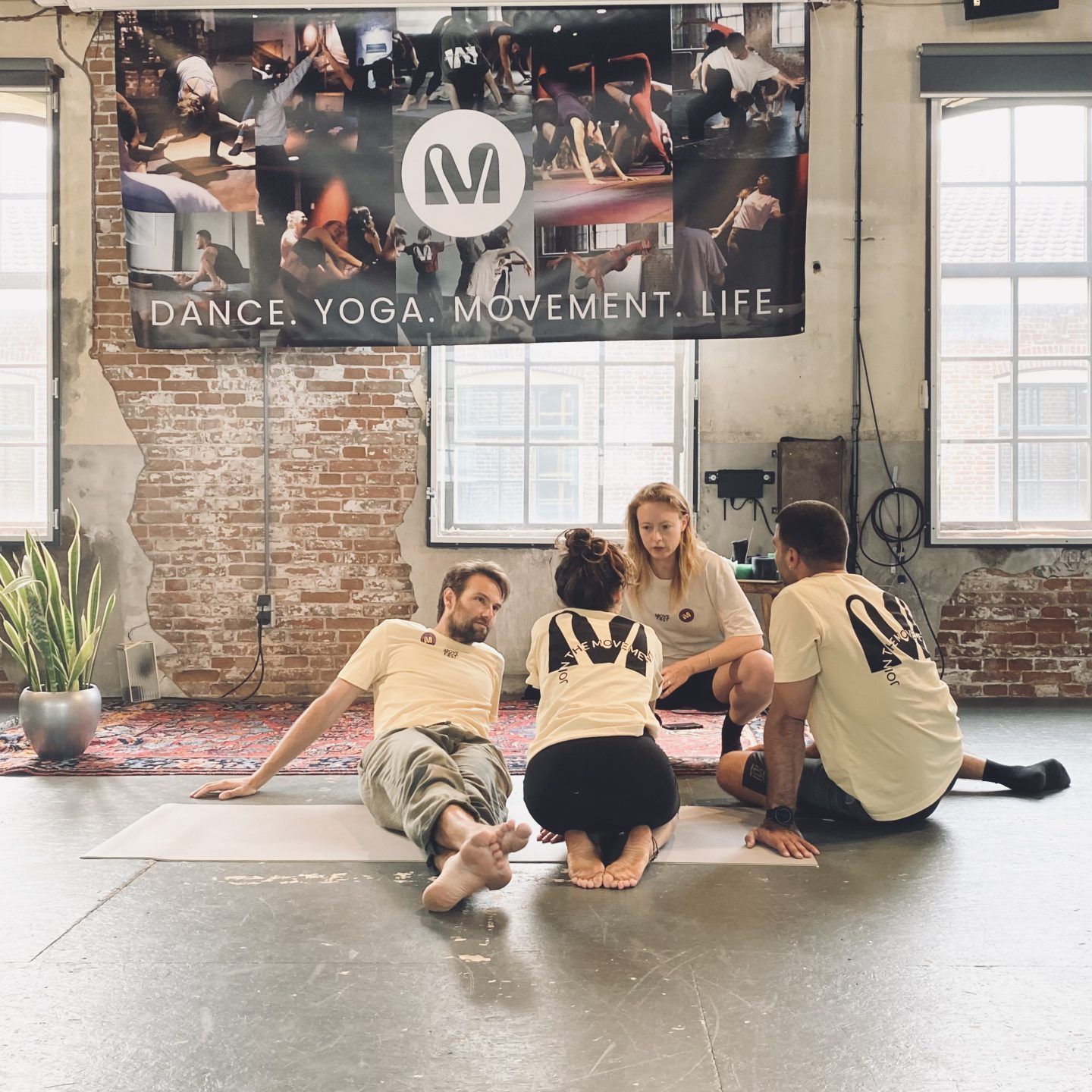
Movefest: non verbal communication workshops
JULY, 2026
MoveFest, Leiden, the Netherlands
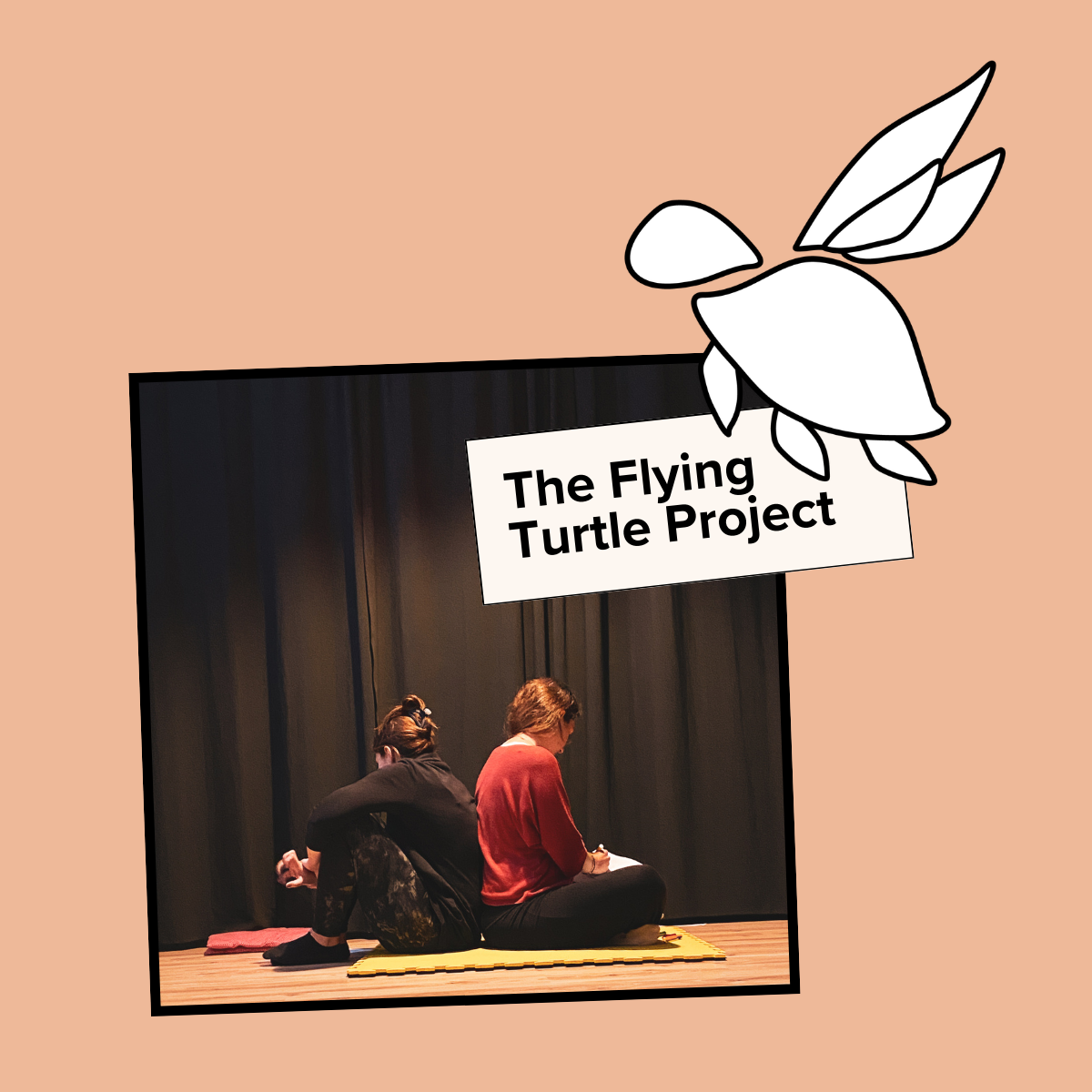
The Flying Turtle Project: my rythm
MARCH, 2026
Catgang Acrobatics and More, Nea Philadephia Attica