

What is the automatic thought you have when you hear the word “ritual”?
What objects come to mind?
Who would you say are the people that typically engage in ritual practices?
Often, when we hear the word “ritual,” our minds automatically associate it with religious ceremonies, primarily acts of faith expression (offerings to a deity) or acts of seeking strength (prayers for mental preparation), as well as objects like candles, altars, incense, and more. The term might also evoke customs from the past, such as offerings to a deity through the sacrifice of an animal or through a belly dance to gain the deity’s favor and ensure their response to human requests.
Rituals in Daily Life
Rituals can be defined as one or more actions performed repetitively, carrying symbolic significance for the communities or individuals involved. These actions often express deep spiritual, cultural, social, or personal meanings (Bell, 1997).
Let’s begin by examining “ritual” through the lens of everyday life to explore whether rituals are applied, whether they help us, and if so, in what ways.
Daily rituals can range from very simple to highly complex. Simple examples include reading pages from your book at 6 PM, drinking your morning coffee spiced with cardamom before heading to work, or the routine of putting on your pajamas and preparing for bed. More complex examples are wedding, baptism, or funeral rituals, which symbolically mark transitions from one state to another.
Of course, rituals such as the union of a couple or the farewell of a loved one can take many forms, depending on broader cultural contexts and the era in which they occur.
A Personal Encounter with Rituals: A Journey to Indonesia
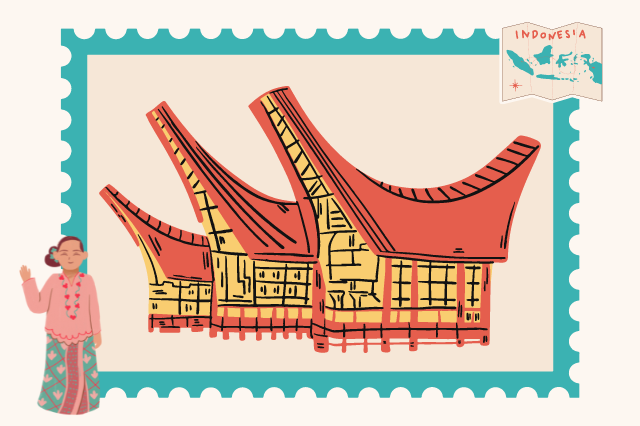
During a personal journey to Indonesia, I encountered a spectacular funeral ritual that left a lasting impression as something remarkably unique and noteworthy.
The Farewell to Life in Toraja Tradition
The Toraja people place immense significance on funeral rituals. A typical Torajan funeral can last anywhere from several days to many years. When a person passes away, the local community customarily keeps the deceased at home, caring for them as if they were ill. This allows the family to “take their time” in coming to terms with the absence and non-living presence of their loved one. When they are ready, they proceed with the burial and the “celebration” of death.
The “celebration” or “passage,” as it is called, may involve buffalo sacrifices, auctions for purchasing buffalo to financially support the deceased’s family, buffalo fights, lavish feasts, and parading the deceased through the village. Even after burial, care for the deceased may continue indefinitely. For example, through the Ma’nene ritual, families exhume their loved ones annually to change their clothes, groom their hair, and even take them on a walk through the village with the help of supports.
During my stay, the woman hosting me invited me to join her in the room of her deceased grandmother, where she would bring a fresh pack of cigarettes and replace the tea cup with fresh, warm tea. Admittedly, seeing the elderly woman embalmed and adorned in her coffin was shocking. Yet, observing the granddaughter’s joy as she lovingly spoke to her grandmother while serving the new tea offered me a brief, first-hand encounter with a culturally grounded reconciliation with death.
For the Toraja, keeping the deceased at home serves as a means of processing loss, easing the grief of those left behind (Tsintjilonis, 2007; Wellenkamp, 1988). At the funeral I attended, there wasn’t a single tear shed or a shadow of sorrow in the air. Instead, I witnessed a celebration, a ritual, and a unique approach to accepting the inevitability of death.
The Function of Rituals in Society
Cultural customs serve specific functions within societies, addressing particular needs. The handling of death in Toraja illustrates the diverse ways death is perceived around the globe (Rosenblatt, 2001).
Rituals, in other words, not only permeate our lives but can also make them more vibrant, lighter, and, in some cases, more manageable.
How Are Rituals Used in Dramatherapy?
Dramatherapy is a form of Psychotherapy that utilizes drama and theater techniques to promote mental well-being. As a method, it often incorporates rituals to establish a secure therapeutic framework.
Rituals in Dramatherapy might include lighting a candle to mark the beginning or end of a session, using a specific phrase or mantra, singing a song, or performing a gesture. These symbolic acts enhance the symbolic nature of Dramatherapy. Pendzik (2011) notes that such symbolic acts help participants externalize internal conflicts and gain new perspectives on personal issues.
In Dramatherapy, rituals stimulate internal awareness, activate emotions, and open new pathways for self-expression (Jennings, 2009:42). They also help create a framework where participants feel safe to engage in therapeutic activities (Jones, 2007).
One of the key theories supporting the use of rituals in Dramatherapy comes from Mitchell (2003), who argues that rituals play a critical role in building trust among group members and within themselves. According to Mitchell, rituals, through their repetitive actions, create a predictable and secure environment essential for fostering trust.
Clinical Application of Rituals in Dramatherapy
Casson (2004) found that using rituals in drama therapy sessions led to increased feelings of safety and improved emotional expression. Similarly, Johnson and Emunah (2009) reported that adult participants in drama therapy groups incorporating rituals showed significant improvements in trust and group cohesion.
In a qualitative study, Butler (2015) explored the experiences of participants in drama therapy and found that rituals helped create a sense of belonging and trust within the group. Participants stated that rituals provided a safe space to explore their emotions and experiences without fear of judgment.
In the context of Dramatherapy, rituals can help individuals feel more secure and supported, allowing them to take emotional risks and engage more deeply in the therapeutic process.
References
Bell, C. (1997). Ritual: Perspectives and dimensions. Oxford University Press.
Butler, J. (2015). The Role of Rituals in Dramatherapy: A Qualitative Study. Journal of Applied Arts & Health, 6(2), 177-190.
Jennings, S. (2009). The Healing Fields: Working with Psychotherapy through Drama. Charles C Thomas Publisher.
Jones, P. (2007). Drama as Therapy Volume 1: Theory, Practice and Research. Routledge.
Landy, R. J. (2010). Drama Therapy: Concepts, Theories, and Practices. Routledge.
Mitchell, S. (2003). Rituals in Dramatherapy: Building Trust and Community. Arts in Psychotherapy, 30(1), 29-37.
Pendzik, S. (2011). The Role of Metaphor in Dramatherapy. The Arts in Psychotherapy, 38(4), 271-280.
Rosenblatt, P. C. (2001). A social constructionist perspective on cultural differences in grief. In M. S. Stroebe, R. O. Hansson, W. Stroebe, & H. Schut (Eds.), Handbook of bereavement research: Consequences, coping, and care (p. 285–300). American Psychological Association.
Tsintjilonis, D. (2007). The death-bearing senses in Tana Toraja. Ethnos, 72(2), 173-194.
Wellenkamp, J. C. (1988). Notions of Grief and Catharsis among the Toraja. American Ethnologist, 15(3), 486-500.
Workshops
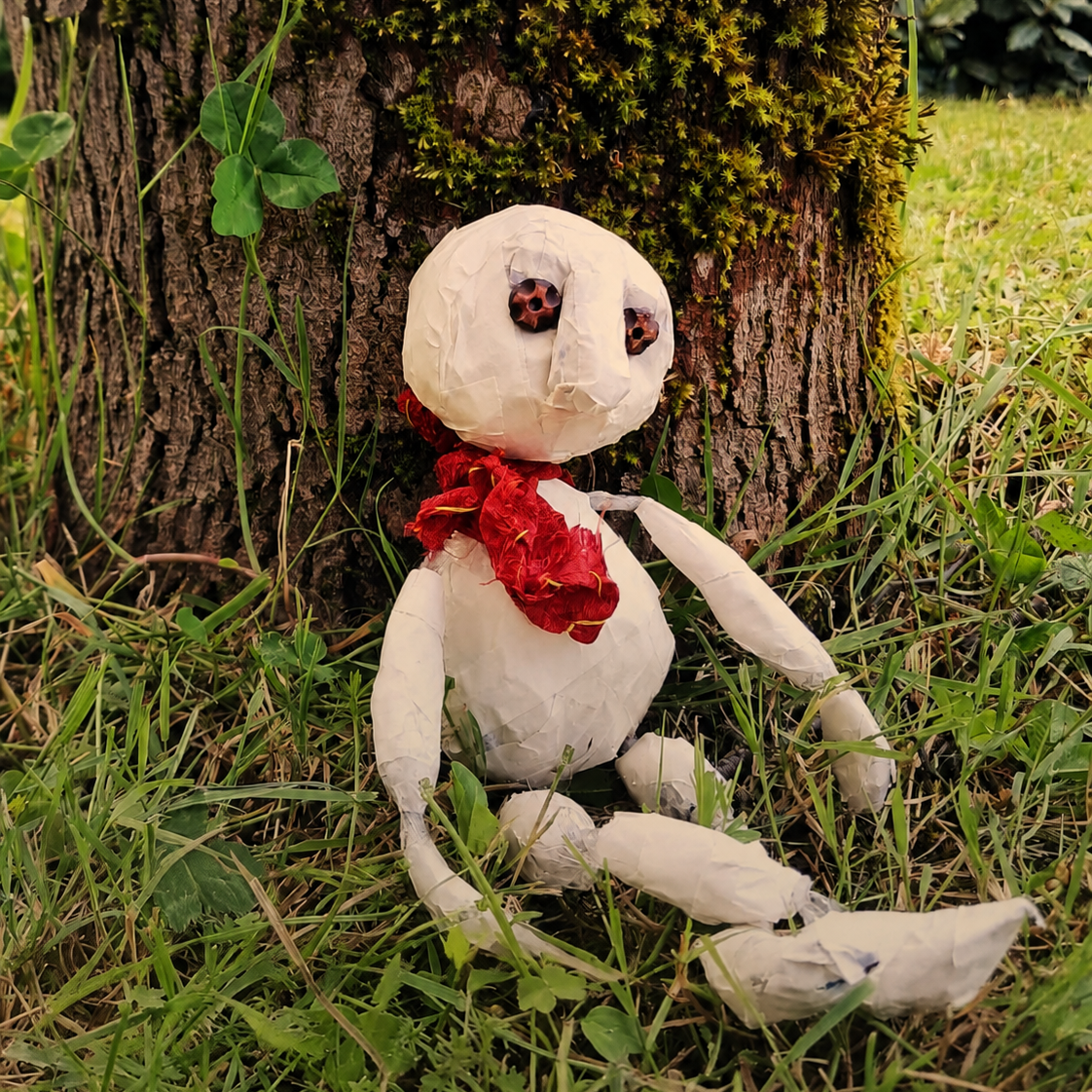
Puppet Making & Dramatherapy Workshop
JUNE, 2026
Valle Gaudia, Monteluro, Italy
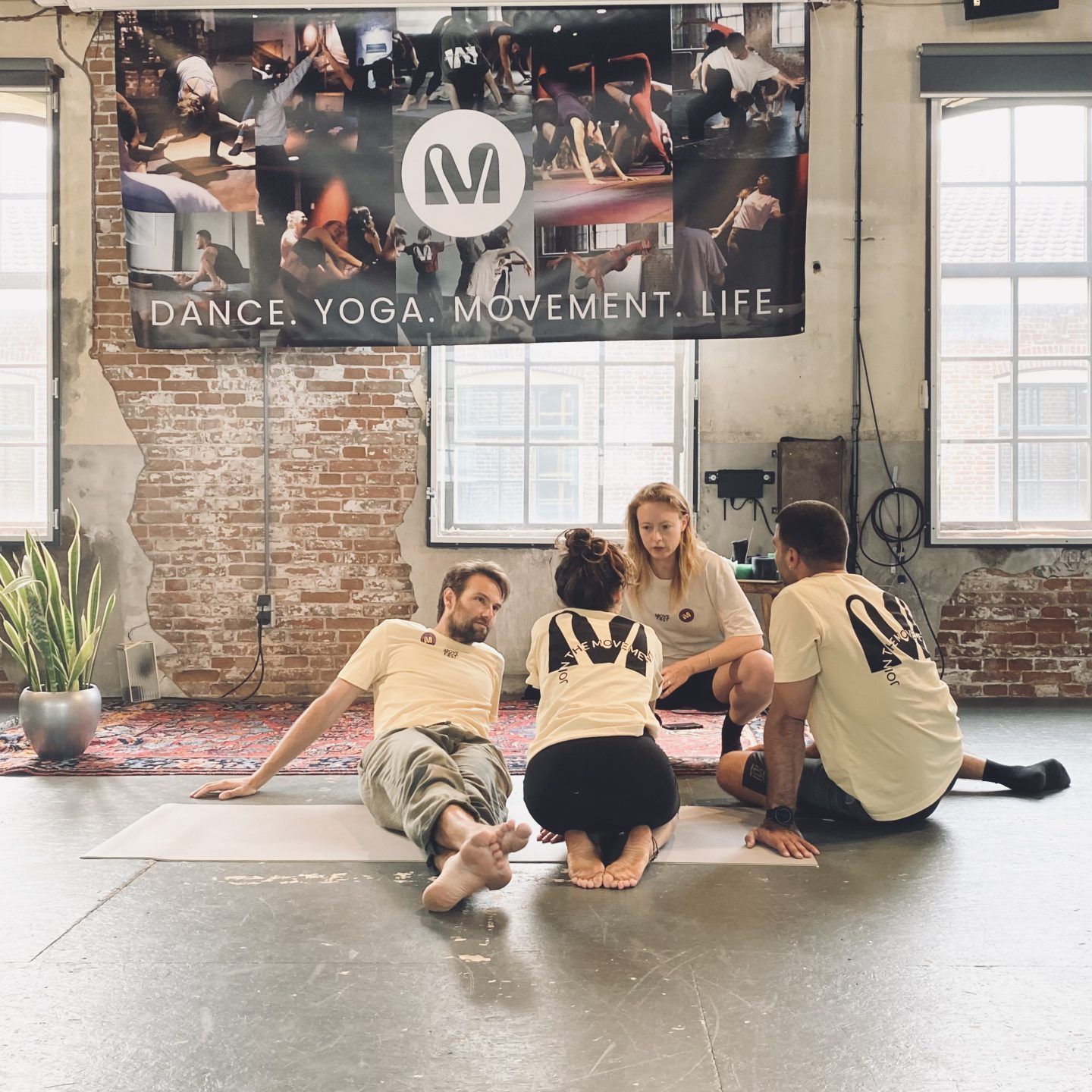
Movefest: non verbal communication workshops
JULY, 2026
MoveFest, Leiden, the Netherlands
The Flying Turtle Project: my rythm
MARCH, 2026
Catgang Acrobatics and More, Nea Philadephia Attica