

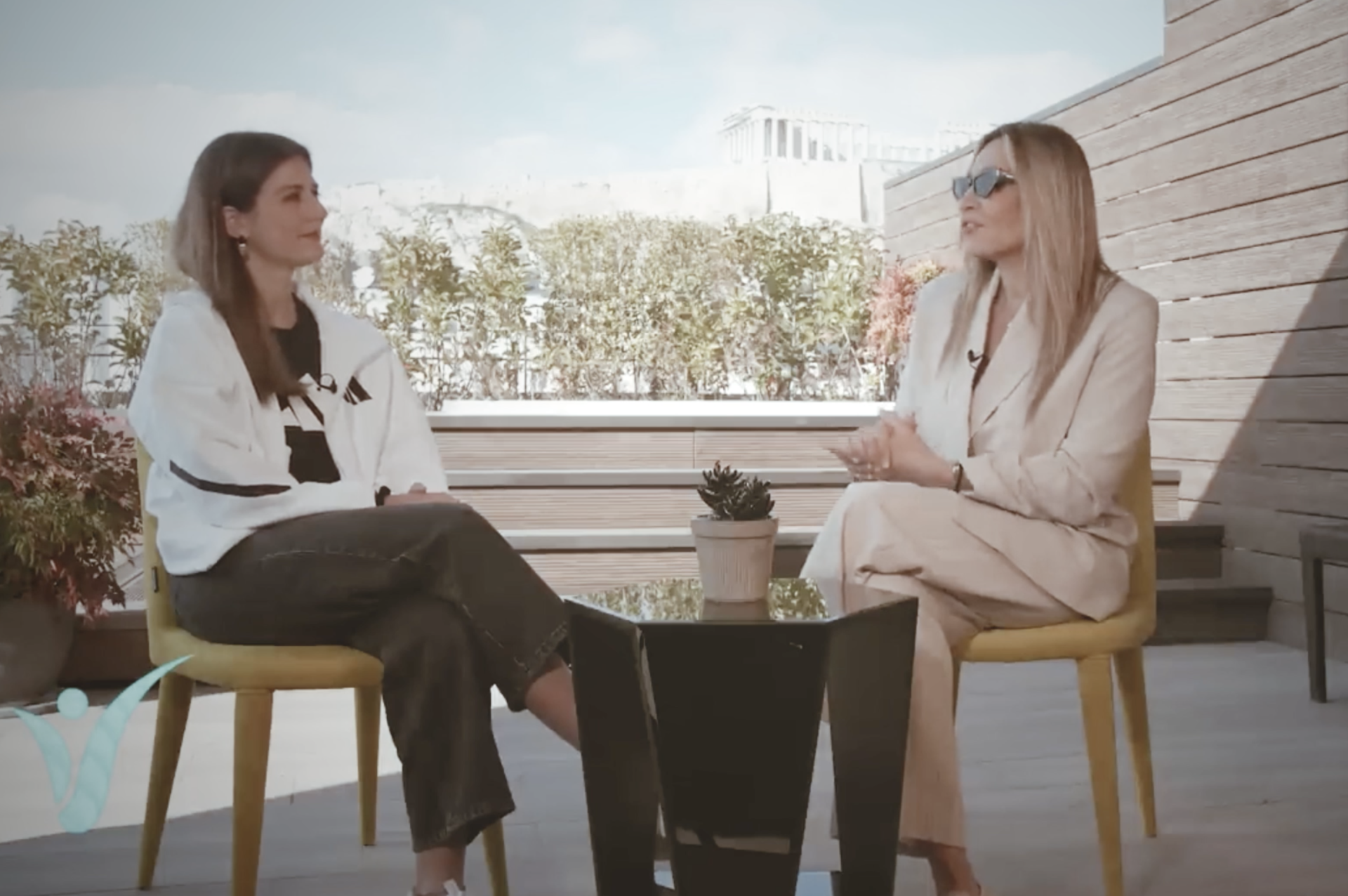
The following is an interview, following an invitation to the show Vitality with Eleni Petroulaki.
Here on Vitality, we try to approach wellness in everything it entails, including the calm of the soul. Today’s topic is a form of psychotherapy called Drama Therapy, which uses theatrical techniques to help people better express their emotions. But to explain exactly what Drama Therapy is, we have the expert, Vasiliki Moka. Welcome to Vitality.
Vasiliki: Thank you. Eleni, I really appreciate the invitation. You do very beautiful work here, from what I’ve seen. You address both body and mind—not that they aren’t one, but you understand what I mean. Overall, you have a holistic approach, and that’s something very beautiful.
Eleni: Thank you, and excuse me for wearing sunglasses; it’s a bit for glare. I have a little issue with my eyes.
Vasiliki: No problem. I even got a little envious and thought it would be nice to bring a hat for theatrical reasons, but that’s okay—next time. So, this is a great segue, because Drama Therapy, as a form of psychotherapy, engages both the body and the mind.
Eleni: So how we express ourselves also relates to body language.
Vasiliki: Exactly. And roughly speaking, since the era of Psychoanalysis, when we used to lie on couches and talk about what our mother or father did to us, now we are beginning to want to stand up. We consider how our body feels, how we stand in front of another person, how, by interacting with a role through a game, we become aware of where the body is tense, where it feels joy, where it opens up. There are many non-verbal elements that ultimately contribute to our mental health, and that’s exactly what we want to explore and examine.
Eleni: I want you to tell me exactly how it works. What exactly is Drama Therapy, and what do these techniques involve?
Vasiliki: Drama Therapy is a form of psychotherapy that draws from the Arts, specifically from theater. The techniques we use are theater-based. Drama Therapy sessions can be conducted in groups or individually, but the pinnacle of the method comes with group participation and interaction, because that provides more stimuli. Just as in real social life: the more interactions you have, the more you learn about yourself and your different aspects. The same happens in a group. In a first group session, before starting the activities, we agree that whatever is said “here” will stay “here.”
Eleni: An informal contract.
Vasiliki: Yes, exactly. So, we start with this agreement to make participants feel that they come to “play” here, that there is no criticism, no evaluative judgment, or obsession with an aesthetic outcome. We don’t say things like, “How did you play the angry role?” or “Why did you act happy that way?” We agree to participate with ourselves as we are in the present moment. You might come one day without much desire to go deep into a role or participate fully, and that’s okay.
Eleni: So, Vasiliki, essentially we play a role. Right?
Vasiliki: Many roles.
Eleni: The therapist’s role?
Vasiliki: The therapist’s role is to coordinate and to tune into the needs of each group, whether it’s a one-off workshop or a long-standing group. The therapist senses the group’s needs, what issues they bring, what they need that day, and then proposes activities from the Drama Therapy repertoire. And of course, the more you know the individuals and the method, the more you can create new activities on the spot, depending on the group’s theme.
Eleni: Are there techniques someone could do at home alone, without a professional? Like, could I stand in front of a mirror and play a role?
Vasiliki: Of course, you can do that in front of a mirror or in the shower—we often do that when singing, entering roles, or doing different exercises. But the real essence comes when we process what we do, and usually, when we are deeply involved in the action, we cannot observe ourselves objectively. To notice what happens, why it happens, or to say, “You know, Eleni, I noticed in the last three months you’ve taken on a specific role,” you need a professional. To ask the right questions and make connections, knowledge of psychology is also necessary. Playing in front of a mirror is different from conducting a Drama Therapy session.
Eleni: Vasiliki, which age groups is this for? Is it for children too or only adults?
Vasiliki: The theory of Drama Therapy can be applied to children, yes. Ideally, it works from adolescence onward, because developmentally they are able to take on a role and process emotions on a second level. For children aged 6–12, Play Therapy might be more suitable. It’s a related method focusing more on children, though Drama Therapy can still be applied. Generally, it’s better suited for ages 15 to 99!
Eleni: Finally, Vasiliki, how does Drama Therapy function therapeutically for our soul?
Vasiliki: Very well. I’ll answer using a theoretical piece that is very important. It comes from the Drama Therapist Robert Landy in the United States, who is highly influential in the field. One of his most important theories says that the more roles we try, the more “shoes” we step into, the more socially prepared we become.
Eleni: Does someone need specialized knowledge to become a Drama Therapist?
Vasiliki: Absolutely. It’s a long process. You enter as one person and come out as another! It’s a four-year study program, including psychiatry, psychology, theater history, reading and performing theatrical texts. Many experiential, practical exercises, assignments, and supervisions. This involvement and reflection process develops you as a Drama Therapist. Taking a few workshops is one thing, training to become a professional is another. The short version gives you just a peripheral sense of the method.
Eleni: Based on everything we discussed, I think it’s worth someone trying Drama Therapy. It’s a form of psychotherapy. To conclude, I want to thank you, Vasiliki, for being with us today on Vitality. And to everyone watching, inspired by the Herodeion behind us, I want to say that for many centuries, theater has existed to heal our soul.
Workshops
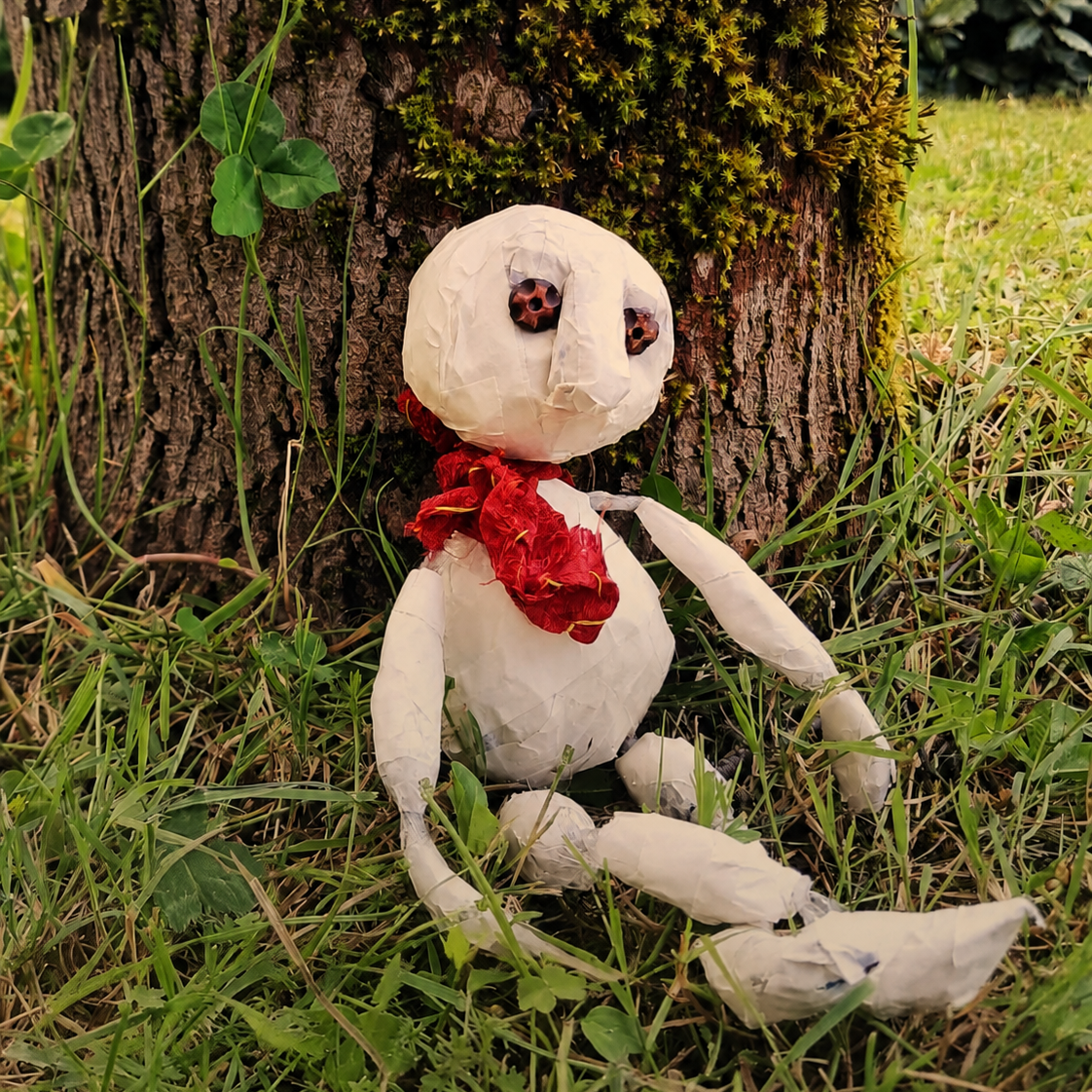
Puppet Making & Dramatherapy Workshop
JUNE, 2026
Valle Gaudia, Monteluro, Italy
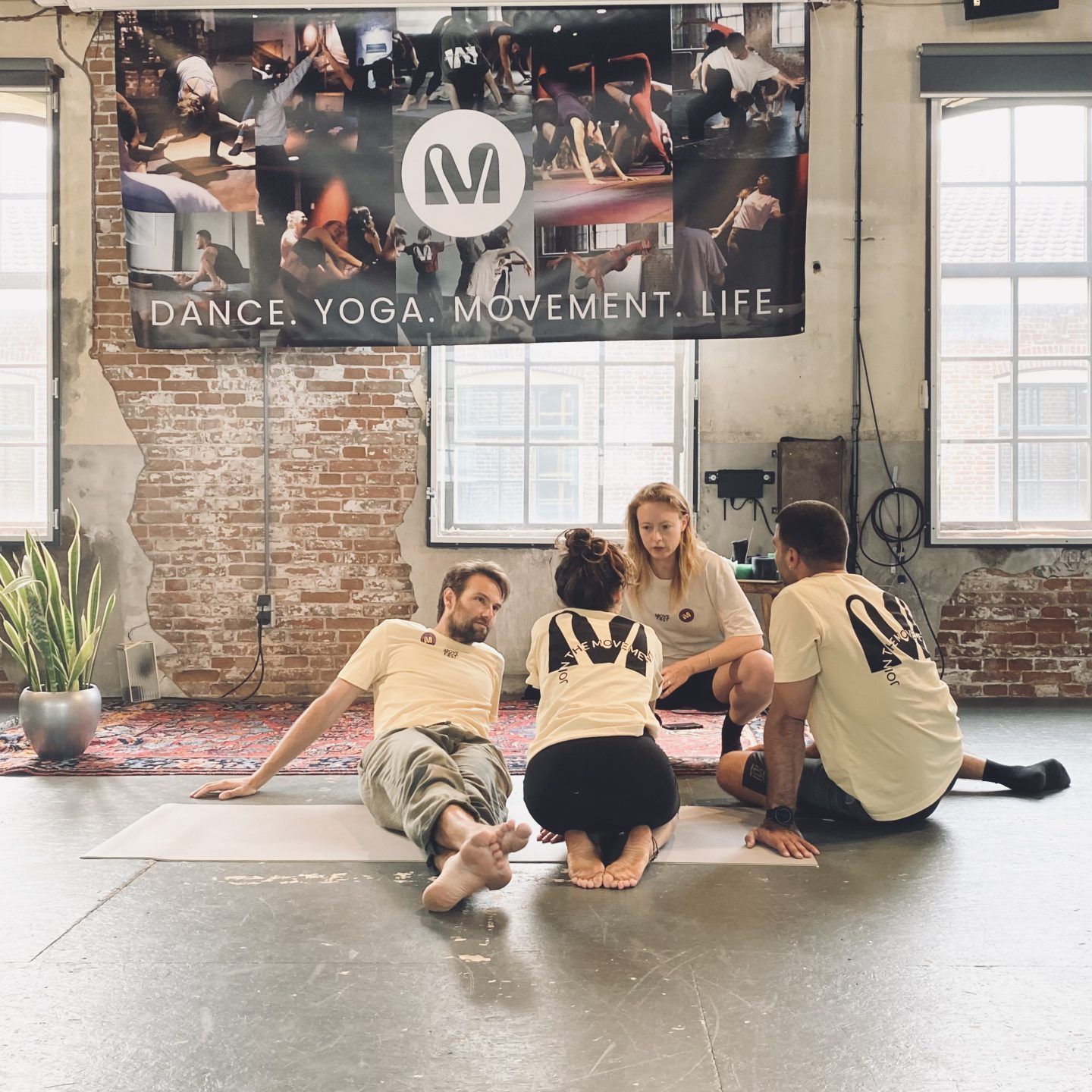
Movefest: non verbal communication workshops
JULY, 2026
MoveFest, Leiden, the Netherlands
The Flying Turtle Project: my rythm
MARCH, 2026
Catgang Acrobatics and More, Nea Philadephia Attica